














Acid Resistant Lining & Flooring Solutions
REBO acid resistant brick and tiles provide zero-permeability protection against concentrated sulfuric, hydrochloric, and nitric acids. This brick is engineered for extreme acid environments for long-term structural durability. Engineered for demanding industrial environments:
- High acid resistance
- Low water absorption
- Long-term durability
- Suitable for industrial lining and flooring

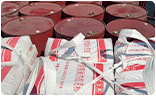
Anti-corrosion Carbon Bricks Lining Solutions
Anti-corrosion carbon brick offers exceptional resistance to hydrofluoric acid (HF), phosphoric acid, and strong alkalis. This brick is designed for severe chemical conditions exceeding standard ceramic boundaries. Proven performance across heavy industrial sectors:
- High chemical resistance
- HF resistance
- Strong alkali resistance
- Suitable for severe corrosion environments
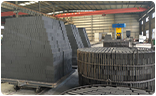
Thermal Energy Storage Solution
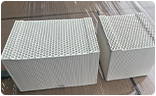
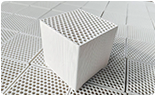
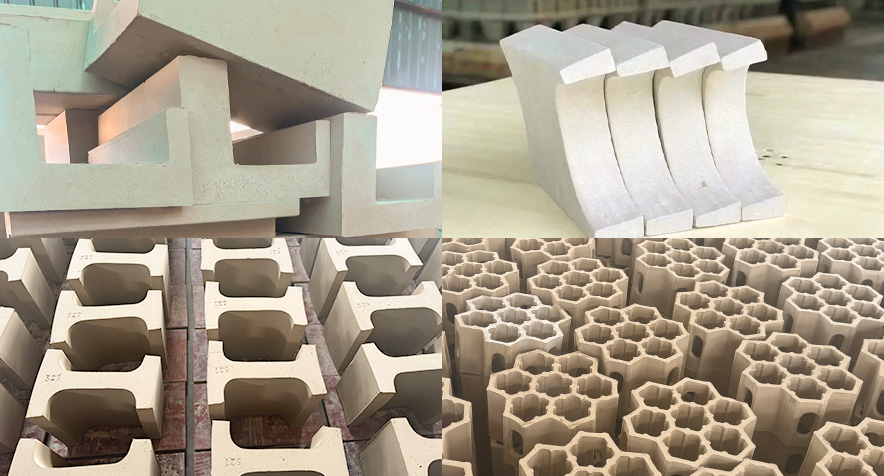
REBO ceramic honeycomb heat accumulators deliver up to 98% thermal efficiency. This product is engineered for industrial heat recovery and VOC emission control systems. Features low pressure drop and extreme thermal shock resistance. See primary industrial applications:
- RTO/RCO
- Industrial heat recovery
- VOC emission control
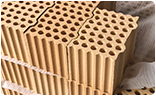
REBO Solutions
Acid Proof Brick Types
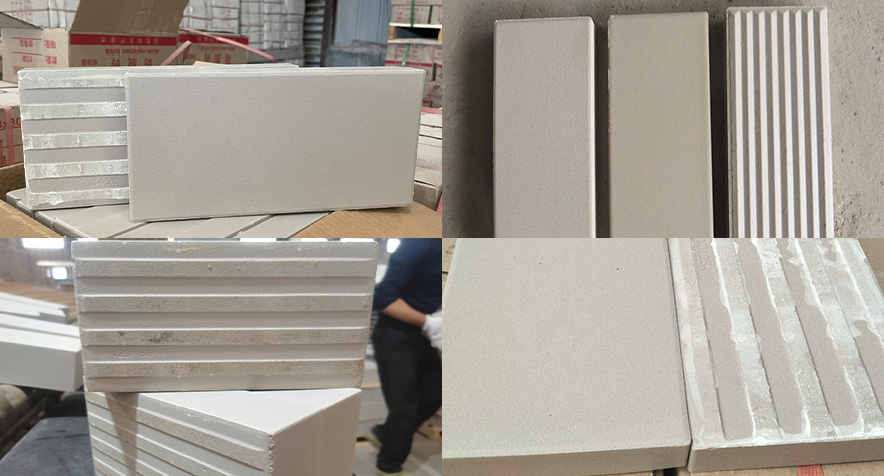
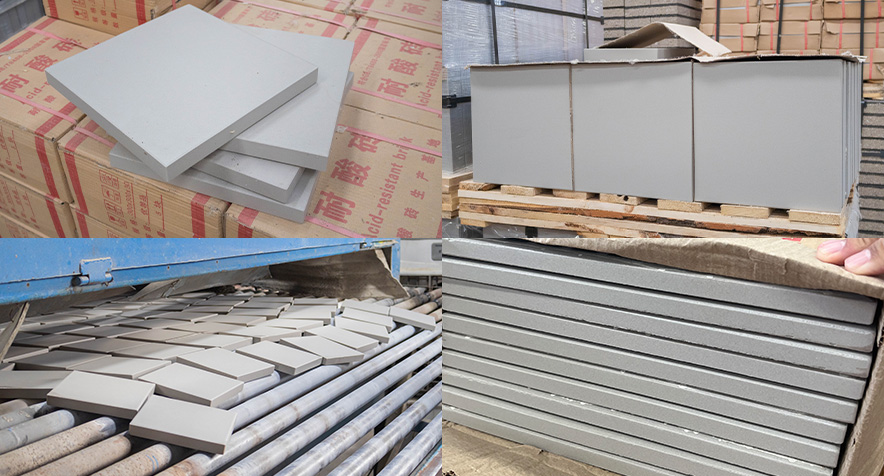
Type1. Acid Proof Brick Thickness 15–30mm
By Shape & Pattern:
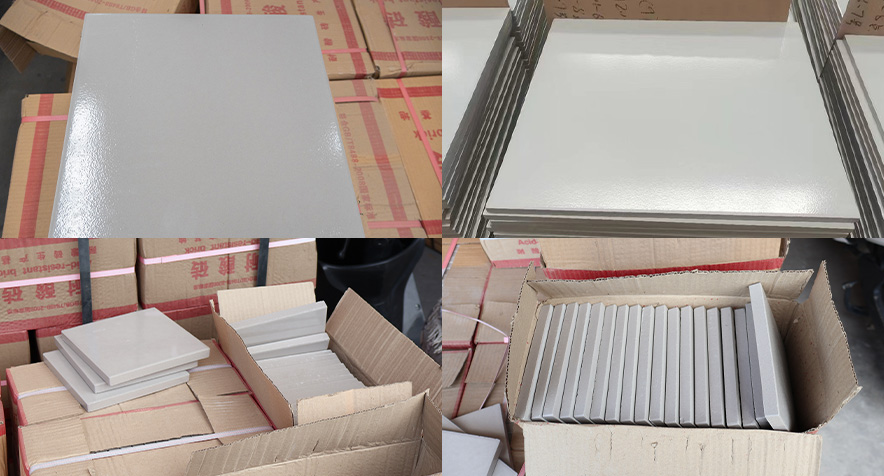
Square Tiles, Rectangular Tiles, Hexagonal Tiles, Flat Acid Tiles, Grooved Acid Tiles, Glazed AR Tiles, and Customized Bricks.
| Thickness 15mm | Thickness 20mm | Thickness 30mm |
|---|---|---|
| 150*75*15; | 150*75*20; | 150*150*30; |
| 150*150*15; | 150*150*20; | 200*200*30; |
| 200*200*15; | 200*200*20; | 230*113*30; |
| 230*113*15; | 230*113*20; | 300*300*30; |
| 300*300*15; | 300*300*20; | |
| 300*600*15; | 300*600*20; | |
| 600*600*15; | 600*600*20; |
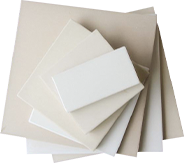
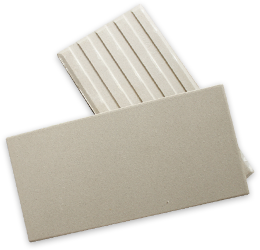
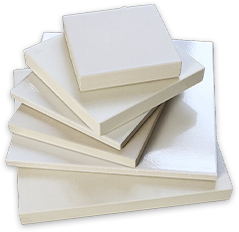
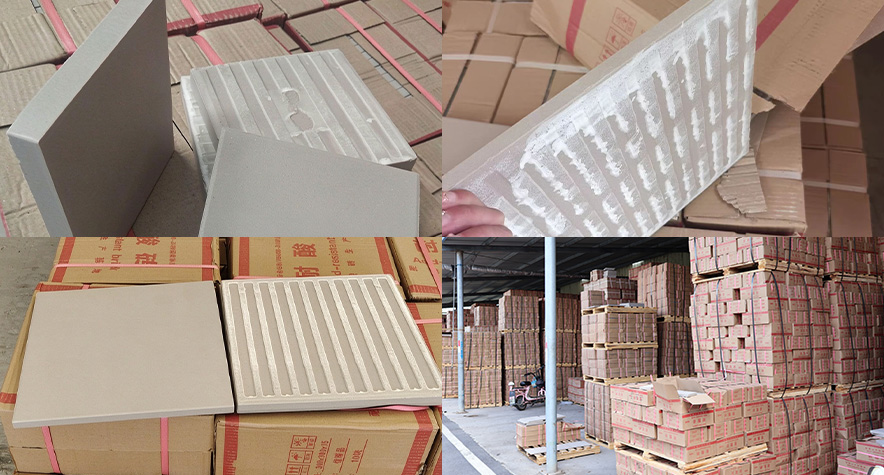
Standard Acid Proof Tiles
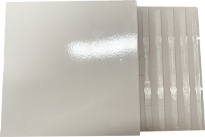
Glazed Front & Grooved Back
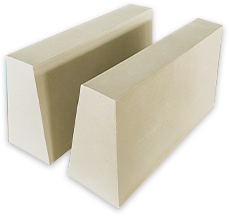
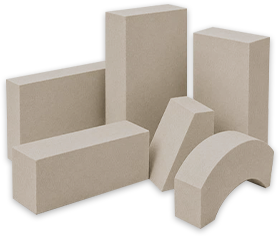
Type2. Acid Proof Brick Thickness 30–65mm
By Shape & Pattern:
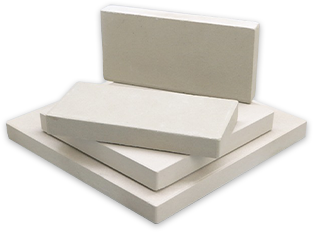
Standard Straight Brick, Grooved Acid Resistant Bricks, Wedge Acid Bricks, Arch Bricks, and Customized Bricks.
| Thickness 40mm | Thickness 50mm | Thickness 65mm |
|---|---|---|
| 230×113×40; | 230×113×50; | 230×113×65; |
| 230×113×56/65; (wedge) | ||
| 230×113×25/65; (wedge) | ||
| 230×113×55/65; (wedge) | ||
| 230×113×25/65; (wedge) | ||
| 230×113×65/45; (wedge) |
Note: Custom ar bricks are available up to a maximum thickness of 110 mm.
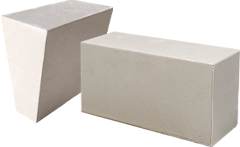
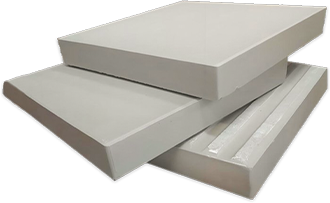
Standard & Wedge Acid Proof Bricks
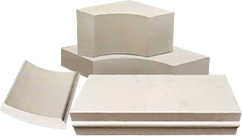
Customized Acid Proof Bricks
Acid Resistant Bricks Specification
Below are the specifications for Grade Z-1 with factory acid resistant bricks price, our most widely used category with superior corrosion resistance. This acid proof brick meets the application demands of most industrial environments. REBO also supplies additional grades designed for less demanding acid resistant applications. Contact our engineering team today for custom technical specifications and tailored recommendations.
| Grade | Z-1 |
| Al₂O₃, % | 20–30 |
| SiO₂, % | 60–70 |
| Fe₂O₃, % | ≤2.0 |
| Na₂O + K₂O, % | ≤5.0 |
| CaO + MgO, % | ≤2.0 |
| Water Absorption, % | ≤0.2 |
| Bending Strength, MPa | ≥58.8 |
| Bulk Density, g/cm³ | 2.3–2.5 |
| Acid Resistance, % | ≥99.8 |
Choose the Right Acid Proof Brick for Your Project
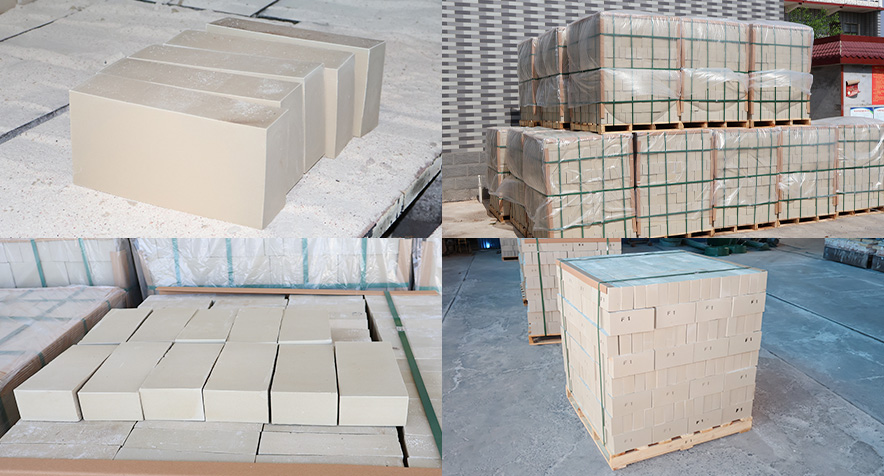
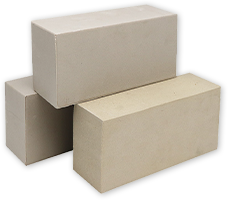
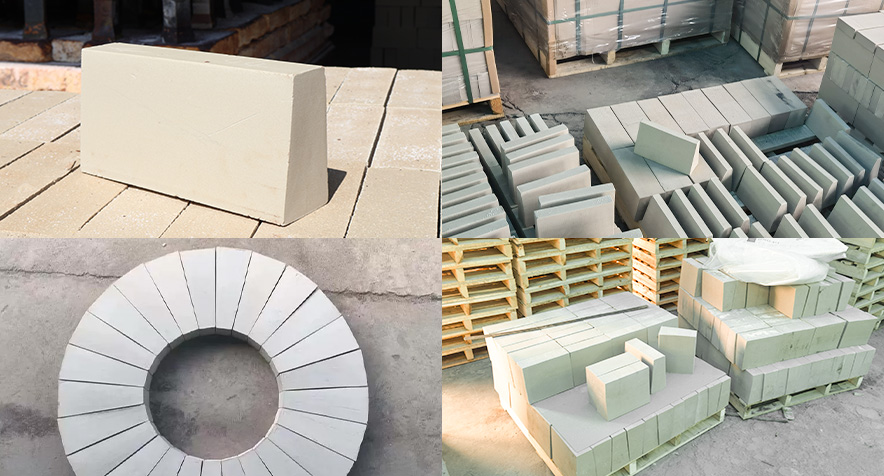
REBO is Trusted by Global EPCs


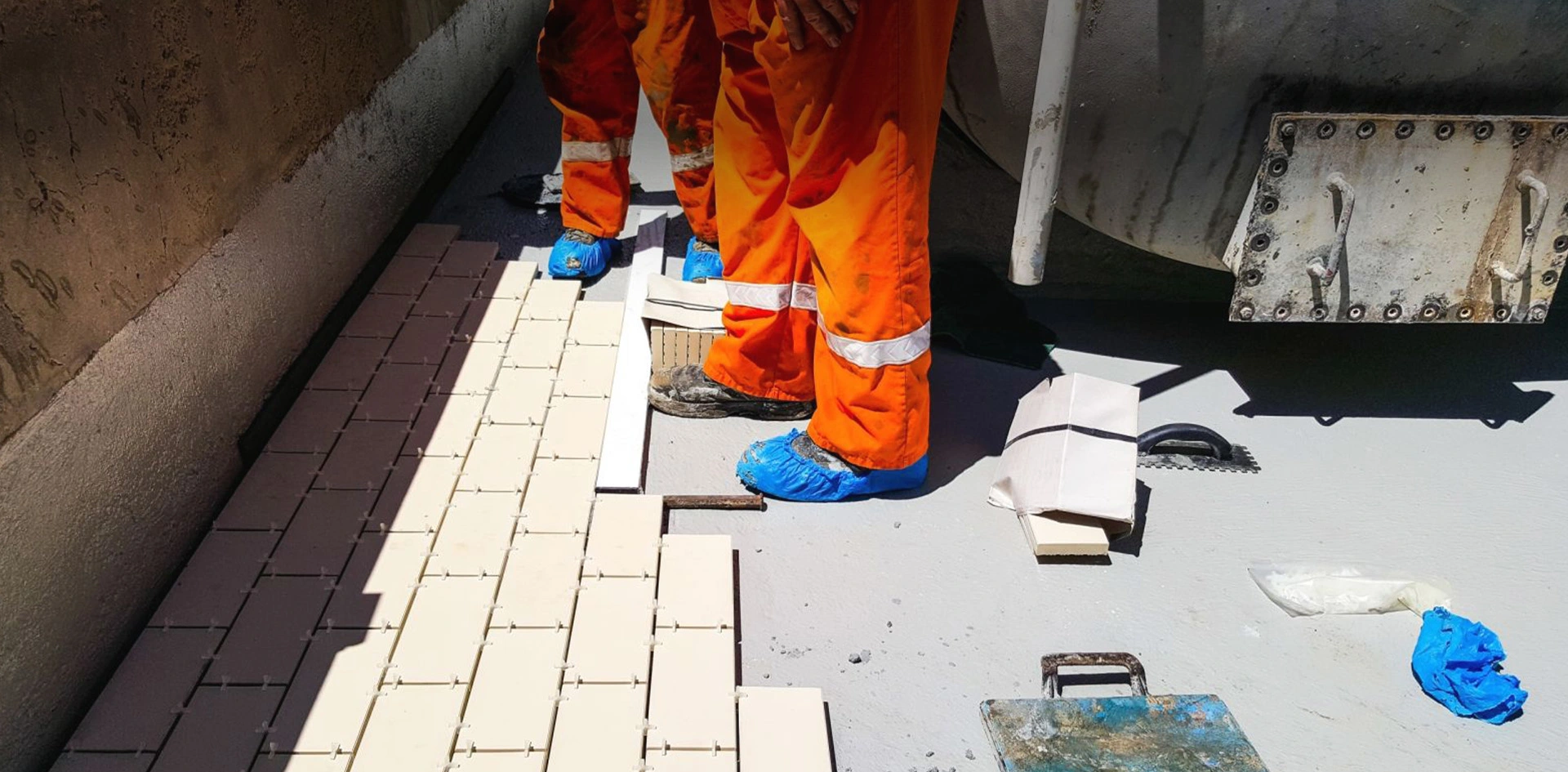

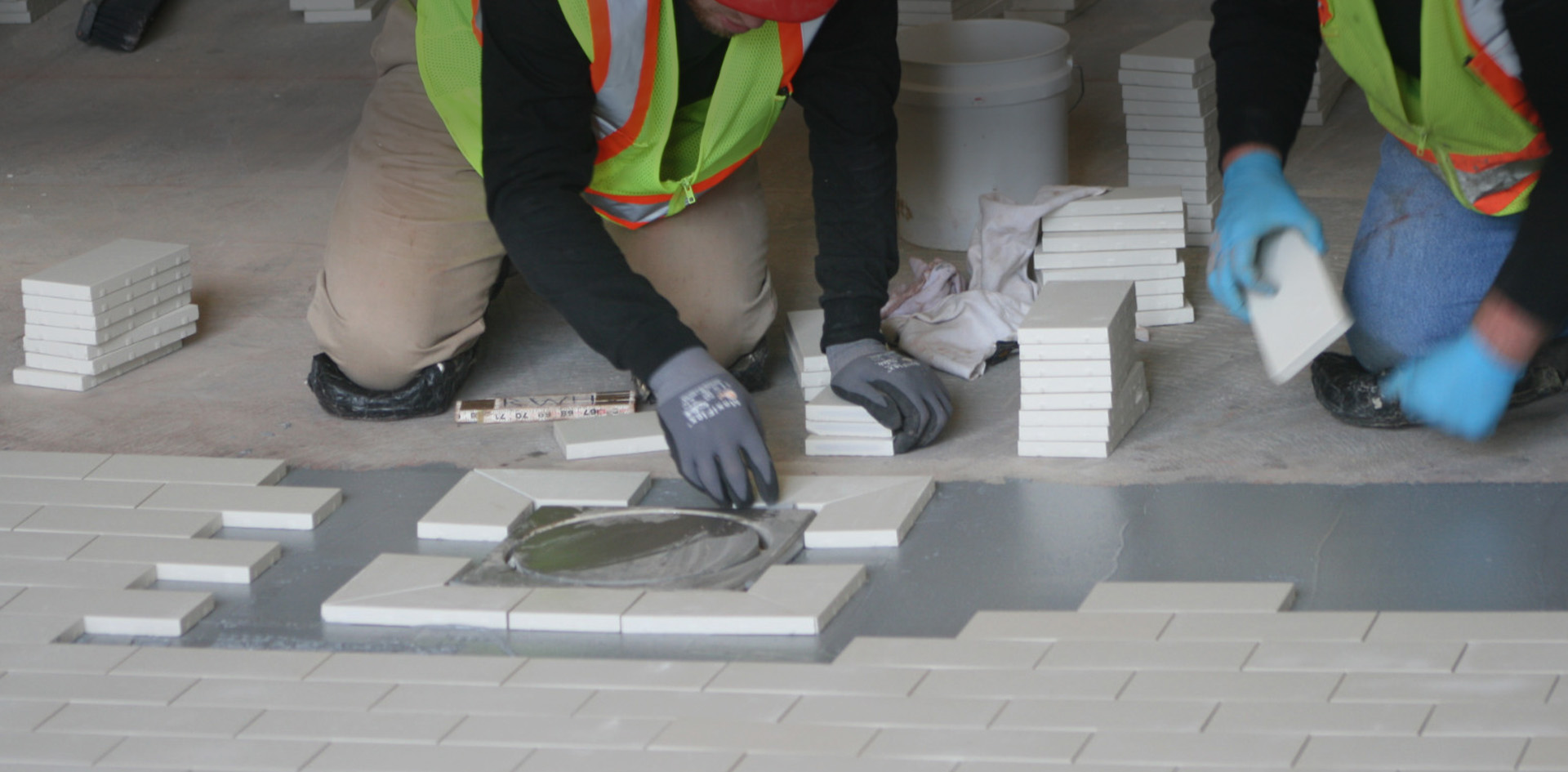

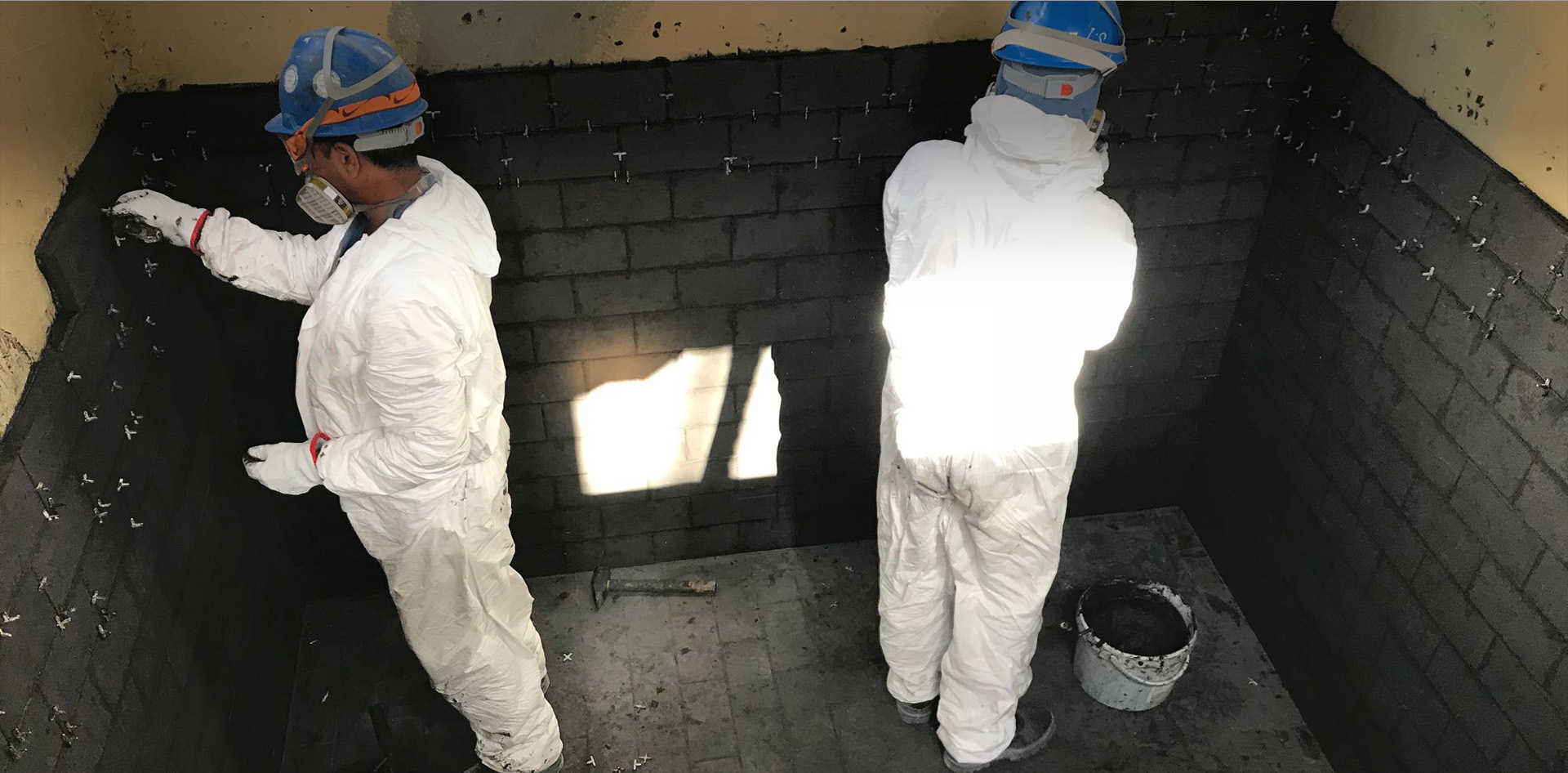
Which Acids Are Acid Resistant Bricks and Tiles Designed For?
Strong Inorganic Acids
Organic Acids
Salt Solutions
Alkaline Media
Organic Solvents
Specialty Corrosive Acids
Note: The above information is for reference only. Suitability depends on the concentration and other factors. Please consult REBO for details.
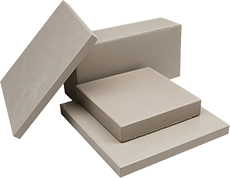
Serving High-corrosion Industries
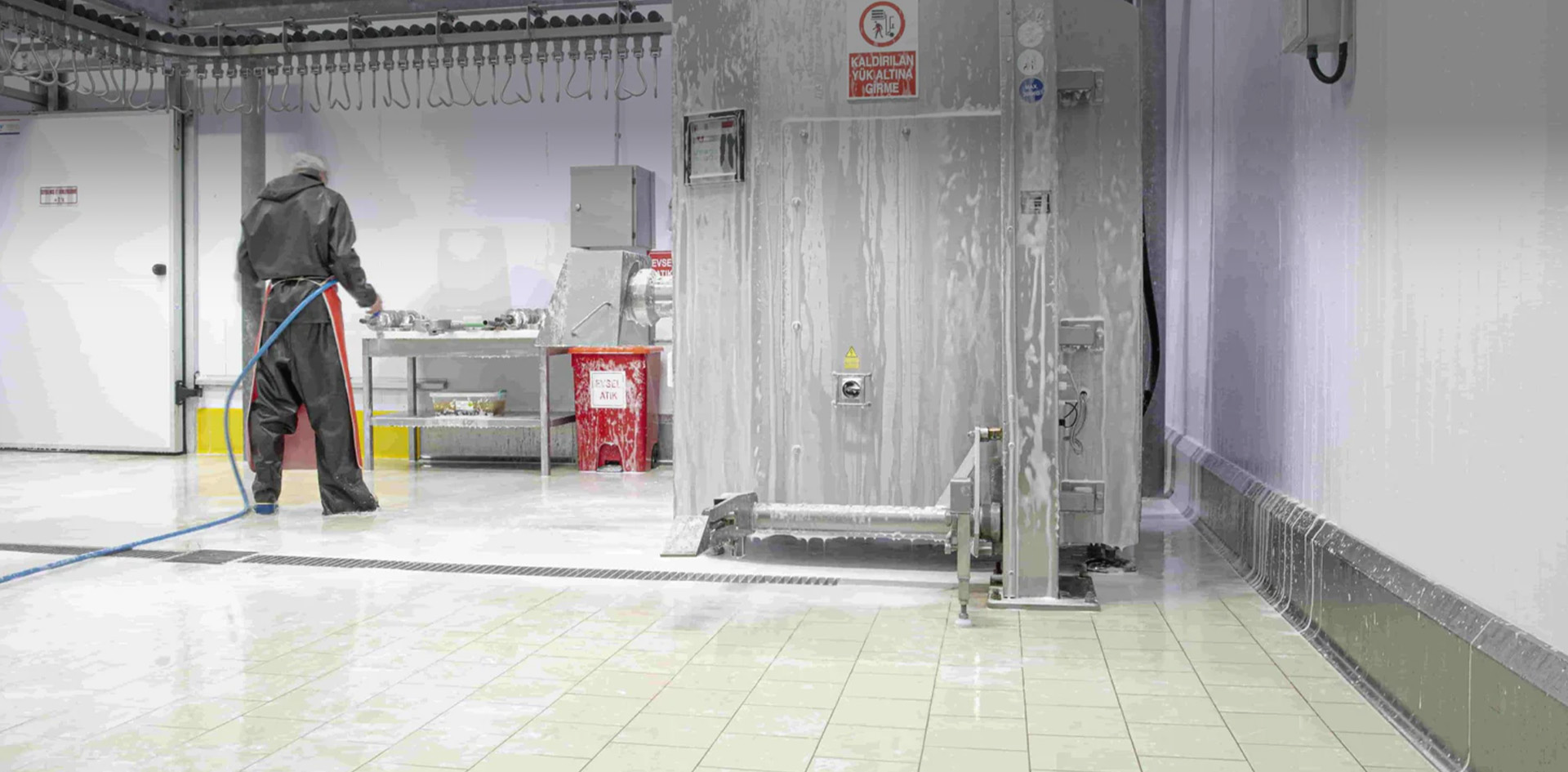
Engineered for extreme corrosive and mechanical stress, REBO acid resistant bricks are designed for industrial environments where conventional construction materials cannot provide reliable long-term protection. REBO acid resistant bricks are widely specified for vessel linings, reactor tanks, acid storage areas, pickling channels, chemical processing floors, drainage systems, wastewater containment structures, and other heavy-duty industrial applications. They are suitable for both new construction and the repair or replacement of existing corrosion-resistant linings.
Chemical & Petrochemical
- Sulfuric/Phosphoric Acid Plants
- Chlor-Alkali
- Fine Chemicals
- Refineries
Metallurgy & Mining
- Hydrometallurgy (Cu/Au/U)
- Steel Pickling Lines
- Smelters
- Coking Plants
Power & Environmental
- Flue Gas Desulfurization (FGD)
- Waste Incineration
- Waste Acid Recovery (SAR)
Pharmaceutical & Biotech
- API Synthesis
- Fermentation Tanks
- Hazardous Wastewater Containment
Food & Fermentation
- Brewing
- Dairy
- Organic Acids (Citric/Lactic)
- Condiment Production
Electronics & Semiconductors
- PCB Etching Lines
- Photovoltaic Cell Production
- Wafer Fab Utilities
About REBO
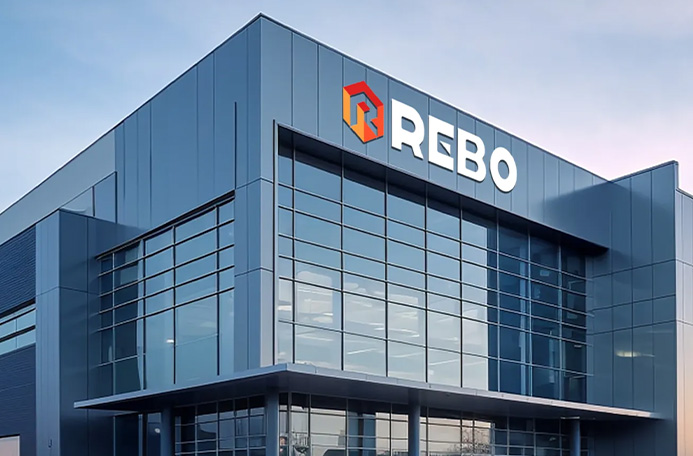
Henan REBO Composite Materials Co., Ltd. is a key international strategic subsidiary of the KERUI Group – one of the TOP 3 in China’s acid resistant materials industry. REBO is as KERUI Group’s international export powerhouse.
With a 50,000 m² manufacturing facility, REBO supplies anti-corrosion products for global industrial applications. From material selection and customized manufacturing to technical support and project delivery, REBO provides engineered solutions tailored to specific operating conditions and project requirements.


REBO’s Reliable High-output Production Capacity
Production Scale & Supply Stability
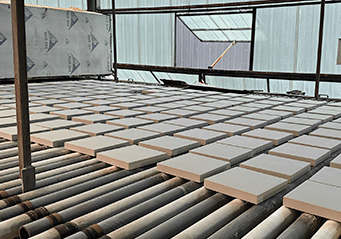
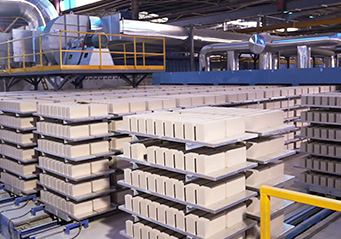
REBO powers global industrial projects through a 25,000㎡ smart facility staffed by 300+ specialists. With 4 automated tunnel kilns running 24/7 and an annual output exceeding 3000000 square meters, REBO guarantees zero delivery delays for mega-scale and emergency orders.
World-Class Equipment & Advanced Firing
REBO integrates Italian SACMI and German Laeis heavy-duty presses (160-1500t) to eliminate edge density variations and structural flaws. This advanced pressing technology allows REBO to achieve maximum green body density, flawless dimensional uniformity, and superior yield rates.
Strict Quality Control & Full Traceability
REBO monitors raw milling to firing curves, backed by an XRF-equipped lab for flawless material selection.
Global Credentials & Integrated Solutions
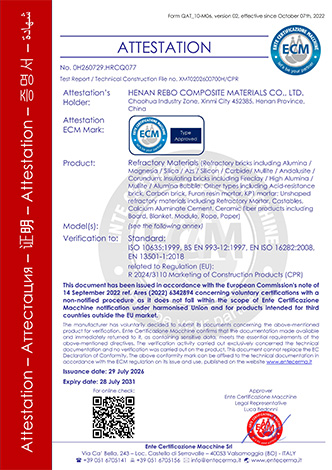
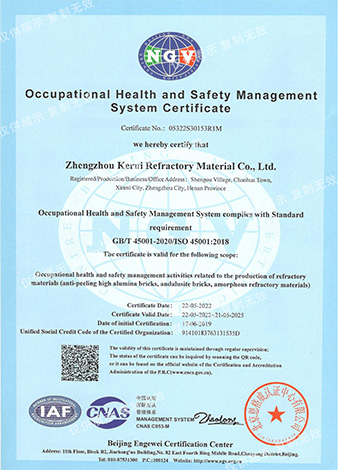
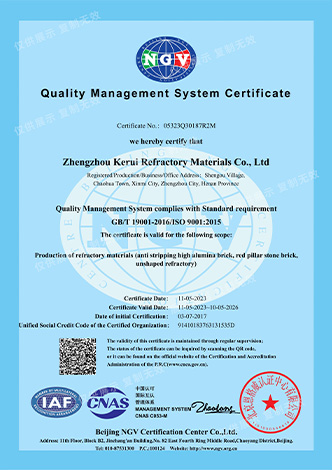
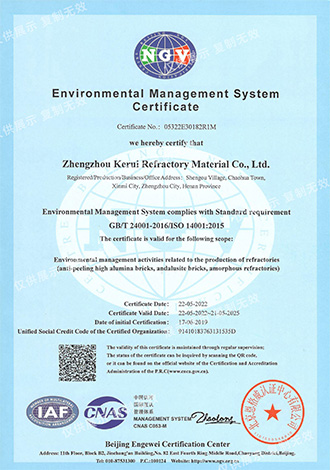
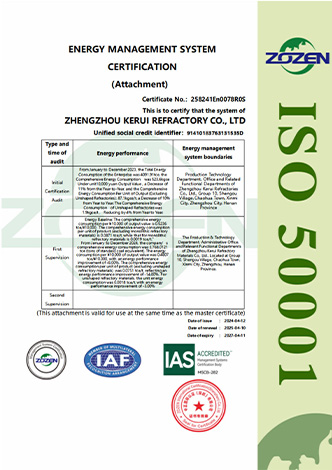
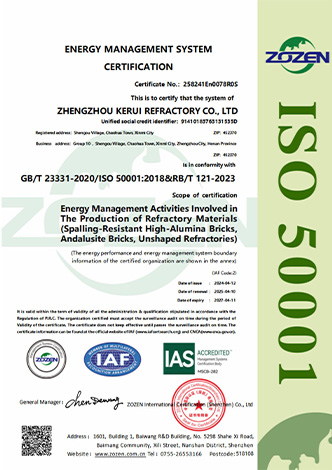
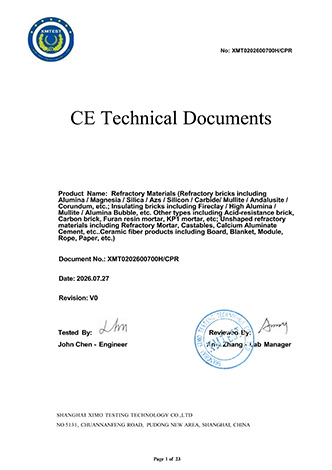
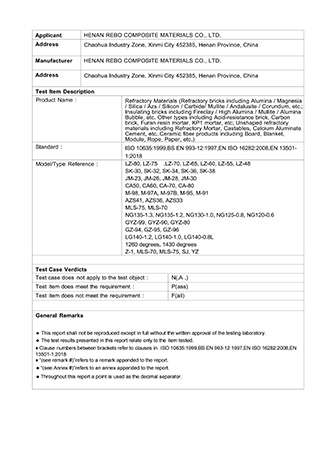
REBO holds ISO 9001/14001/45001 certifications, validated by CMA/CNAS reports and audited by SGS/TÜV to exceed global engineering standards.
ISO-compliant Acid Proof Brick Exceeding Other International Standard
REBO acid resistant bricks and tiles are manufactured in strict alignment with ISO international standards. We offer exceptional technical performance across key industrial metrics. They are engineered with ultra-low water absorption (≤0.2%), superior chemical resistance (≥ 99.8%), tight dimensional precision, and robust thermal shock stability. REBO delivers world-class quality built to exceed global project requirements.
| Parameter Dimension | ISO 10545 (Adopted by REBO) | ASTM C279 | DIN/DIN EN |
| Water Absorption | ★★★★★ | ★★★★★ | ★★★★★ |
| High-precision testing methods (vacuum method); general industrial-grade requirements typically fall at ≤0.5% or ≤0.2% (REBO Standard). | Clear classification: Type I≤1.0%; Type II≤6.0%; Type III≤0.1%. | Strict requirements; equipment lining bricks generally requires≤0.2%, pursuing maximum density to prevent medium seepage. | |
| Acid Resistance | ★★★★★ | ★★★★★ | ★★★★★ |
| Full-concentration strong acid/alkali (HA/HB grade) corrosion resistance classification methods; Acid Resistance ≥99.8%. | Utilizes the boiling sulfuric acid method (48hour boil); weight loss rate typically requires Type I/III≤8.0%. | Testing media and duration better reflect heavy chemical realities; measures not only weight loss, but also evaluates post-immersion strength attenuation in concentrated acids. | |
| Dimensional Tolerances | ★★★★★ | ★★★★★ | ★★★★★ |
| Precise percentage measurement methodologies for surface flatness, edge straightness, and squareness. | Relatively flexible; allows a specified range of warpage and surface flatness tolerances. | Extremely strict; slight deformations cause uneven resin mortar joint thickness, placing rigid limits on flatness, squareness, and thickness tolerances. | |
| Thermal Shock Resistance | ★★★★★ | ★★★★★ | ★★★★★ |
| Standardized thermal cycling immersion testing procedures. | Imposes higher requirements specifically for Chimney Bricks (such as ASTM C980). | Core evaluation parameter; rigorously tests resistance to cracking and spalling under repeated high/low temperature alternation. |
Quality Assurance & Inspection
-
Factory-Direct Pricing:Wholesale pricing with zero middleman margins.
-
Technical Consultation:Expert engineering support for complex specs.
-
Flexible Freight & Payment:Multi-route global shipping and tailored payment terms.
-
Emergency Green Channel:Priority production for urgent orders.
-
Environment Diagnosis:Chemical and thermal analysis for exact material selection.
-
Lining Structural Design:Custom acid resistant bricks layout systems.
-
CAD Drawings & BOM:Technical schematics and precise material takeoff.
-
Tower Internal Layout:Pressure-drop and fluid dynamics calculations.
-
Bespoke Shapes & Sizes:Custom molding for curved, corner, and non-standard tiles.
-
OEM & Private Labeling:ISO-compliant contract manufacturing with custom branding.
-
Batch Quality Control:100% factory inspection with complete MTC reports.
-
SGS & Third-Party Audit:Full support for SGS and TÜV loading supervision.
-
Installation Guidance:Comprehensive manuals, video support, and on-site supervision.
-
Mortar Curing Training:On-site training for adhesive ratios and temperature control.
-
Strategic Safety Stock:Reserves of standard acid resistant bricks sizes for emergency dispatch.
-
Zero-Leakage Warranty:Guaranteed structural protection against acid failure.
Q:What Are Acid Resistant Bricks Used For?
Common applications include chemical storage tanks, reaction tanks, acid pickling areas, wastewater treatment facilities, drainage channels, and industrial floors. The appropriate brick type depends on the chemical media, concentration, operating temperature, and exposure conditions.
Q: Which Acid Resistant Bricks Are Suitable for Sulfuric Acid?
The complete lining system, including the mortar and joints, must also be compatible with the process environment. Share your sulfuric acid concentration, operating temperature, and application details with REBO for a more appropriate material recommendation.
Q: What Is the Difference Between Acid Resistant Bricks and Acid Proof Tiles?
Bricks are commonly used in industrial tanks, pits, and heavy-duty lining systems, while tiles are often selected for floors, walls, and channels requiring a tiled lining. The best option depends on the application, mechanical loads, and lining design. See more different pictures on REBO Pinterest.
Q:What Thickness/Spec Should I Choose for My Industrial Plant (E.G., Chemical Plant, Electroplating Shop)?
| Application Area | Recommended Spec | Key Focus |
|---|---|---|
| General walkways & light-traffic areas | 20–30 mm thick | Standard tiles are sufficient |
| Heavy-load aisles & equipment foundations | ≥ 30 mm (up to 65 mm) heavy-duty bricks | Must meet ≥100 MPa compressive strength |
| Acid storage tanks & pickling tank linings | ≥ 30 mm, with high acid resistance | Prioritize water absorption ≤ 0.2% |
Q:What Are the Must-Check Technical Specs for Acid Resistant Bricks?
| Parameter | Standard Requirement | Why It Matters |
|---|---|---|
| Acid Resistance | ≥ 99.7% – 99.8% | The anti-corrosion specifications. Lower means the brick will degrade and powder under acid attack. |
| Water Absorption | ≤ 0.2% (for tanks/pits) | Lower is better. High absorption means pores allow acid to penetrate and corrode the substrate underneath. |
| Compressive Strength | ≥ 100 MPa (for heavy-load floors) | Determines if it can handle forklifts, heavy equipment, and impact loads without cracking. |
Q: What Is the Water Absorption Rate of Acid Proof Bricks?
Water absorption is an important indicator because it reflects how readily water can enter the material’s pores. However, low water absorption alone does not guarantee resistance to every chemical. Buyers should also evaluate acid resistance, mechanical strength, material composition, and compatibility with the intended operating environment. Always refer to the technical data for the specific product grade.
Q: How Can I Verify the Quality of Acid Proof Bricks Before Purchase?
ou can also request relevant quality certificates, inspection records, and pre-shipment inspection arrangements. Make sure the supplied products meet the agreed specifications and are suitable for the chemicals and operating conditions at your facility.
Q: How Can I Quickly Check the Quality of Acid Proof Bricks on Site?
The “Ring” Test: Tap the brick gently and listen to the sound. An unusually dull sound may indicate a defect, but sound alone cannot confirm product quality.
The “Water Drop” Test: Observe how a water drop behaves on the brick surface. This can provide a rough indication of surface wetting, but it cannot reliably establish the water absorption rate.
Weight and Cross-Section: Check whether the bricks have consistent dimensions, weight, and a uniform cross-section. Visible cracks, pits, or irregularities may warrant further inspection.
These checks are only preliminary screening methods. For final acceptance, rely on the agreed technical specifications, appropriate laboratory test results, and batch inspection reports.
Q: Can Acid Proof Brick Be Customized to Project Drawings?
Straight bricks, wedge-shaped bricks, and other specially shaped units can be considered for different lining structures. Provide your drawings, dimensions, required quantities, and application details so REBO can assess the manufacturing requirements.
Q: Which Mortar Should Be Used With Acid Resistant Bricks?
Depending on the application, suitable options may include potassium silicate mortar or resin-based mortars, such as furan resin mortar. Chemical concentration, temperature, moisture, and curing conditions should be evaluated before selecting the mortar. Ordinary cement mortar should not be assumed suitable for acid-resistant lining applications.
Q: Do You Supply Acid Proof Bricks and Compatible Mortar Together?
Selecting the bricks and mortar together helps ensure that the materials are appropriate for the intended application. Share your process conditions and project requirements so the suitable combination can be evaluated.
Q: How Much Do Acid Resistant Bricks Cost?
The total lining cost may also include compatible acid-resistant mortar, surface preparation, installation, and transportation. Contact REBO with your specifications and estimated quantity for a project-specific quotation.
Q: What Information Do I Need to Provide to Get a Quotation?
Chemical media and concentration;
Operating temperature and exposure conditions;
Application area, such as a tank, floor, pit, or drainage channel;
Required brick dimensions, shape, and lining thickness;
Estimated quantity;
Delivery destination and required delivery date;
Project drawings or site photos, if available.
With this information, REBO can evaluate your requirements and recommend suitable products and compatible mortar for your project.
Q: What Is the Lead Time for Acid Proof Brick Orders?
Standard products and customized shapes may have different production timelines. Contact REBO with your required specifications and delivery schedule to confirm the estimated lead time for your order.
Q: Do You Provide Technical Support for Acid Proof Brick Installation?
Depending on the project, support may include product drawings, installation instructions, and remote technical guidance. Installation methods should be determined according to the site conditions, substrate requirements, selected materials, and project specifications.
Q: How Long Do Acid Proof Brick Last?
Correct material selection and proper installation can help extend the service life. Regular inspection of brick surfaces, mortar joints, and damaged areas can help identify problems before they cause more extensive lining failure.