


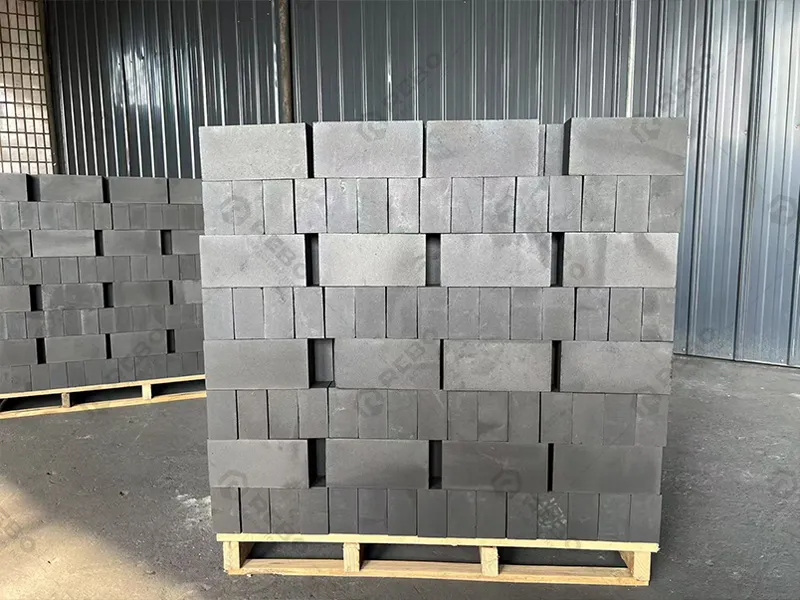


REBO ranks top 3 in high-performance anti-corrosion carbon bricks. We protect critical industrial infrastructure against extreme chemical and thermal environments. 30+ years of expertise, 30,000 tons annual capacity, and a dedicated international trade and logistics team. We supply precision-engineered lining systems to global EPC contractors and industrial leaders. Our resin-impregnated carbon and graphite bricks run in 200+ heavy-industry projects worldwide. Applications include steel pickling, wet phosphoric acid, fluorochemicals, battery materials and hydrometallurgy.
Parameter of Anti-corrosion Carbon Brick
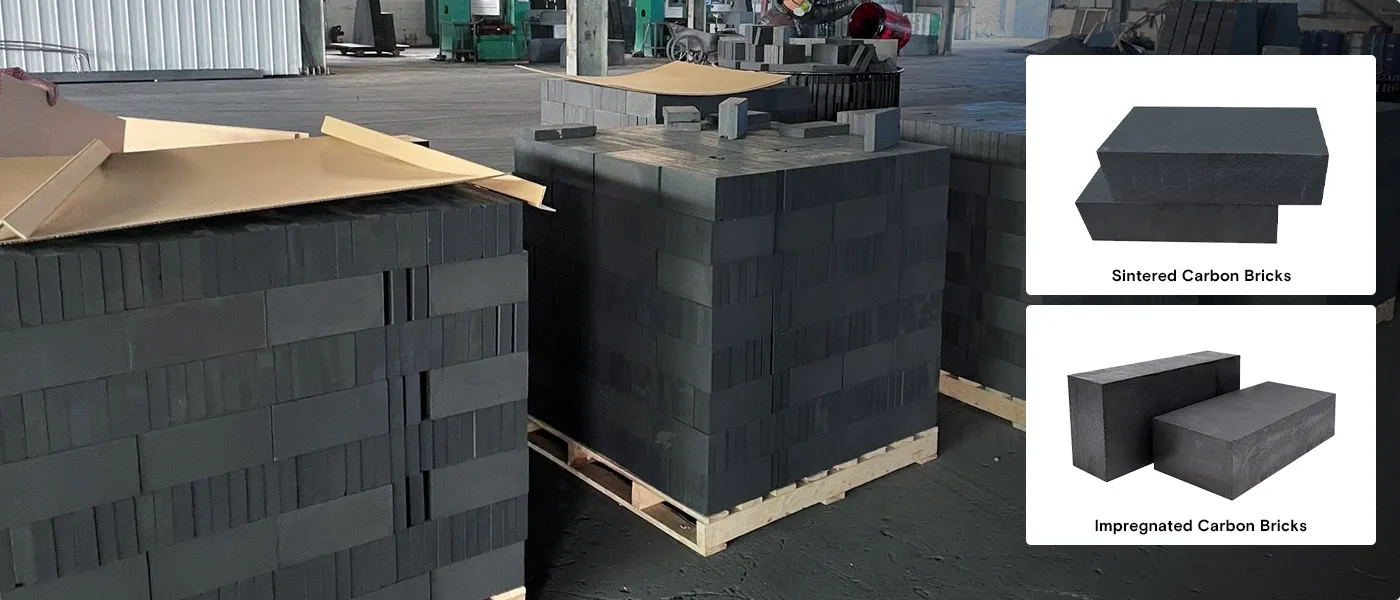
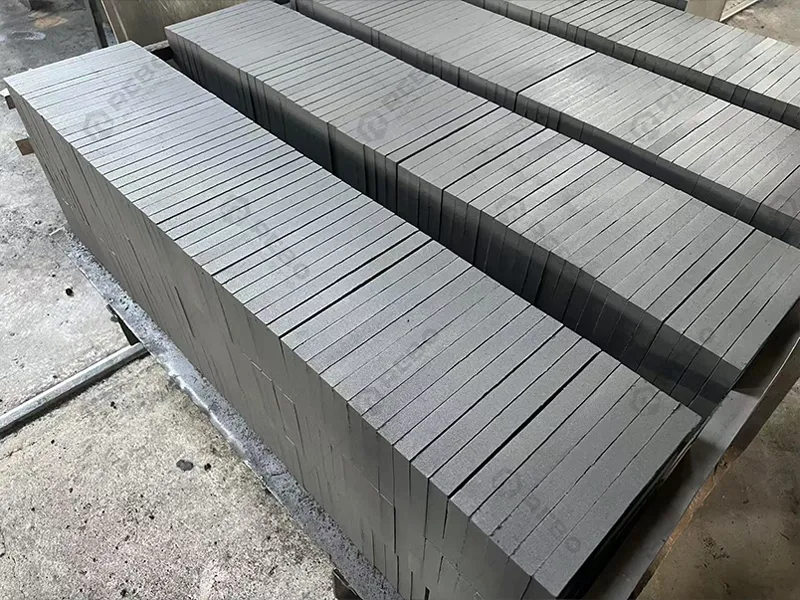
REBO anti-corrosion carbon bricks use high-purity calcined petroleum coke and coal tar pitch, processed with our proprietary technology for dense body, low porosity and high strength. Sintered and pressed chemical carbon bricks are our two best-selling types, both resisting strong acids in phosphoric acid tanks, acid washing equipment and pickling lines. REBO offers stable quality and fast lead time.
- Pressed Carbon Bricks: These bricks work in fully ambient conditions with no steam and no thermal cycling. Media temperature stays below 120°C. They are common in standard pickling tanks, ambient acid storage tanks, and wastewater treatment.
- Sintered Carbon Bricks: These bricks work in heated conditions. They handle steam, thermal cycling, hot acid media, fluoride corrosion, and long continuous production. These bricks are common in high-temperature reactors, phosphoric acid chemical equipment, and metallurgical pickling furnaces.
| Property | Sintered Carbon Brick | Pressed Carbon Brick | ||
|---|---|---|---|---|
| Type | SJ-2 | SJ-1 | YZ-2 | YZ-1 |
| Bulk Density (g/cm³) | ≥1.5 | ≥1.65 | ≥1.6 | ≥1.65 |
| Flexural Strength (MPa) | ≥15 | ≥20 | ≥15 | ≥20 |
| Compressive Strength (MPa) | ≥45 | ≥65 | ≥50 | ≥70 |
| Thermal Conductivity (W/(m·K)) | 2.0-8.0 | 2.0-8.0 | 2.0-8.0 | 2.0-8.0 |
| Ash Content (%) | ≤5 | ≤3 | ≤5 | ≤2 |
| Elastic Modulus (10⁴N/mm²) | 0.5-1.5 | 0.5-1.5 | 0.5-2.5 | 0.5-2.5 |
| Linear Expansion Coefficient (10⁻⁶/K) | 3.0-4.0 | 3.0-4.0 | 3.5-5.0 | 3.5-5.0 |
| Apparent Porosity (%) | <22 | <20 | <15 | <10 |
Types of Acid Resistant Carbon Bricks
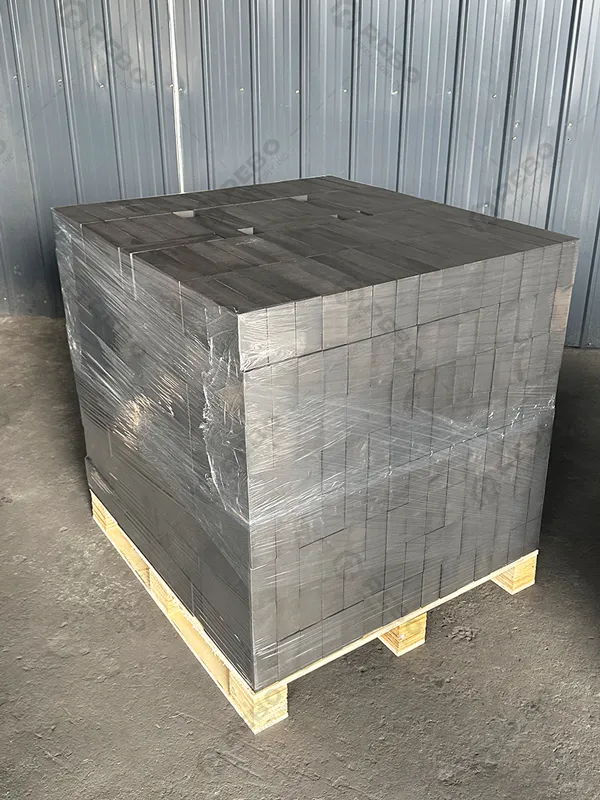
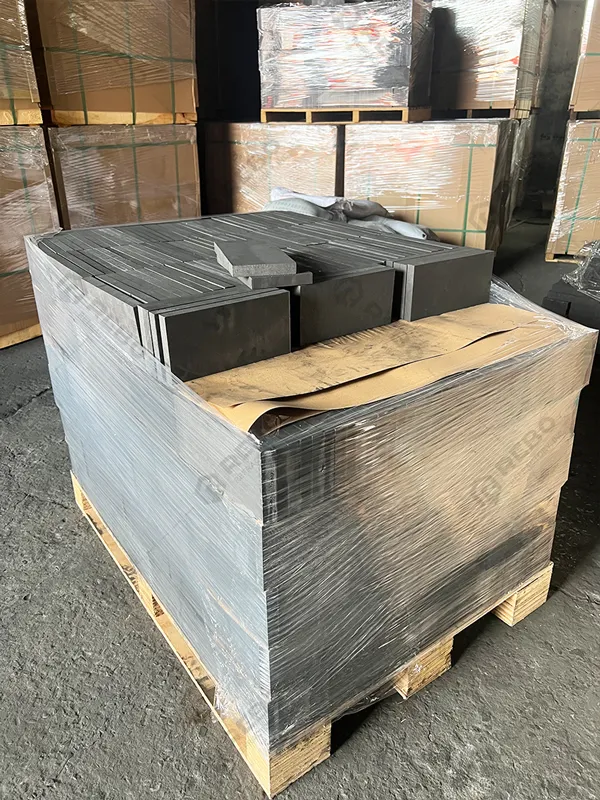
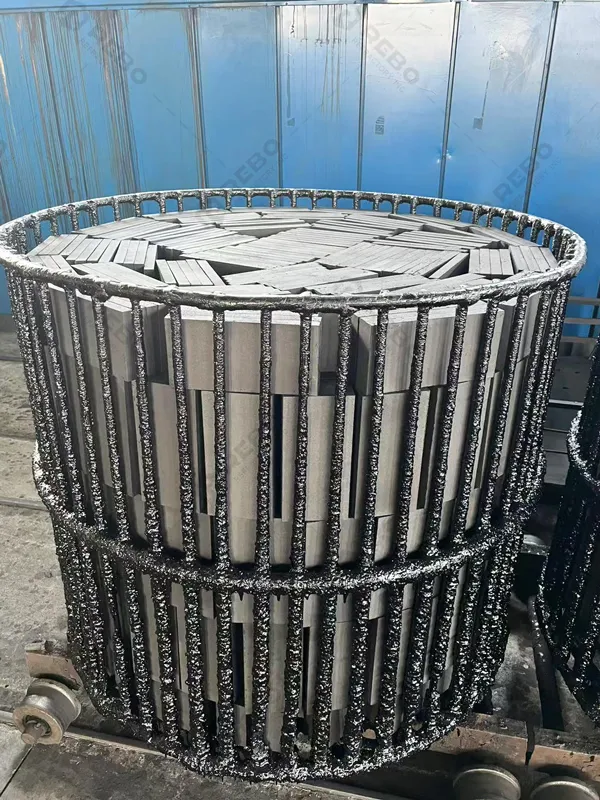
REBO classifies anti-corrosion carbon bricks by production process, impregnation method, and chemical function. These types serve steel pickling, wet phosphoric acid, fluorochemicals, battery materials and hydrometallurgy. REBO supplies all of them with stable quality and fast lead time. Tell us your medium, temperature and equipment type. Our team will recommend the right grade and send a quote.
By Manufacturing Process
- Pressed carbon brick: Uses carbon powder with phenolic resin binder. High-pressure formed and low-temperature cured. No high-temperature firing. Resin coats particles and fills gaps. Fast production, standard size, smooth surface. Organic-bonded structure: simple process, low cost, quick delivery.
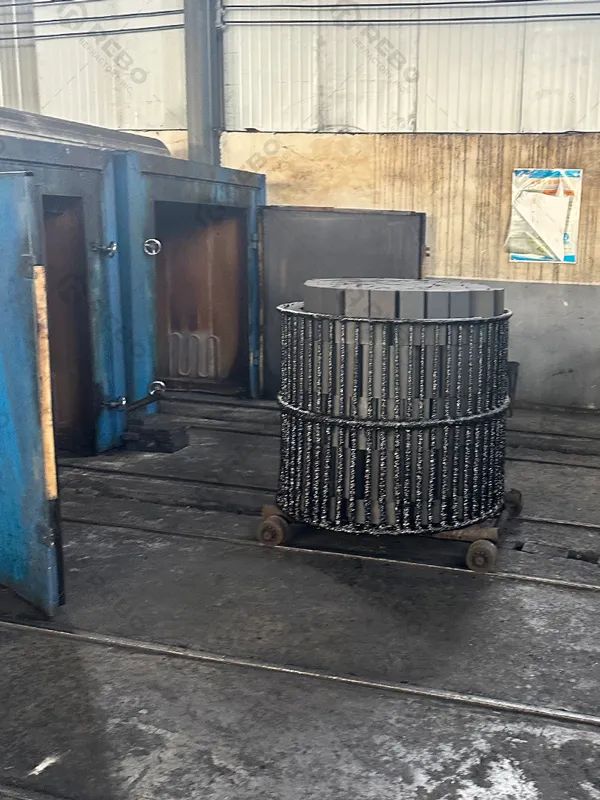
- Sintered carbon brick: Uses carbon aggregate with high-temperature pitch binder. Formed and fired in a closed kiln above 1300°C. Pitch turns fully into carbon. Particles form integrated carbon bonds. Pure inorganic carbon structure: complex process, high energy use, long cycle. High-end industrial grade.
Typed By Material Type
- Standard anti-corrosion carbon brick uses high-purity calcined petroleum coke. It is fired at high temperature and vacuum resin impregnated. The body is dense, porosity is very low. It blocks acid penetration, resists corrosion and aging. It is the first choice for phosphoric acid extraction tanks, acid washing equipment and acid storage tanks.
- Graphitized carbon brick adds high-purity graphite. It has better thermal stability and thermal conductivity. Its thermal expansion coefficient is low. It handles alternating high and low temperature, resists scouring, resists cracking. It suits complex working conditions with large temperature fluctuations.
By Impregnation
- Non-impregnated carbon brick keeps its original pores. Porosity is ≥8%. It gets no impregnation treatment. Corrosion resistance is lower. The process is simple, so cost is lower. It suits dry lining or non-liquid areas.
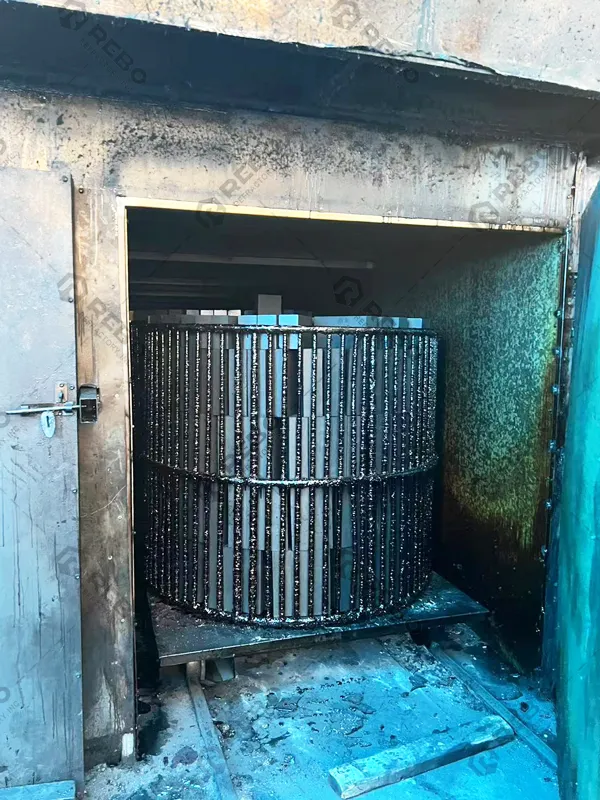
- Resin-impregnated carbon brick is soaked in impregnant. Quality is more stable, strength is higher. The impregnating agent raises corrosion resistance, especially in molten iron. Porosity is ≤0.5%–1.0%. It is fully leak-proof. The process is complex, so cost is higher.
Size of Anti Corrosion Carbon Brick
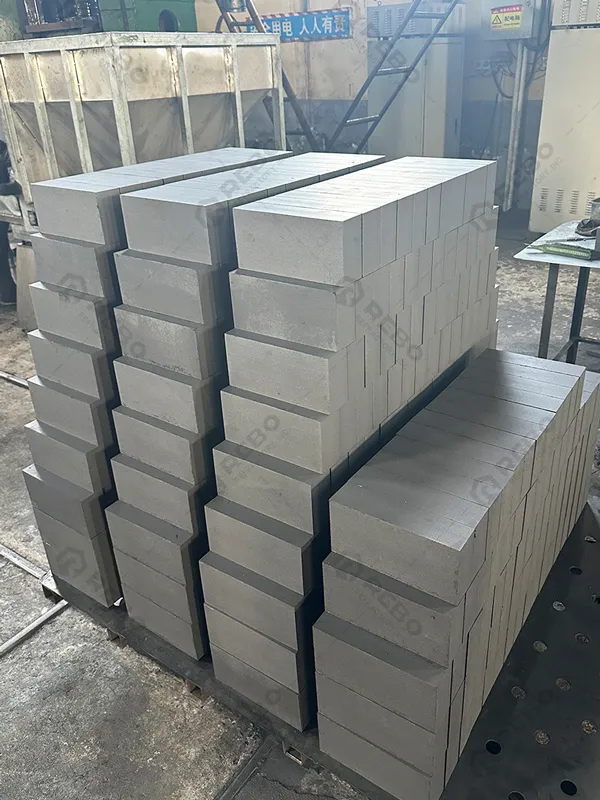
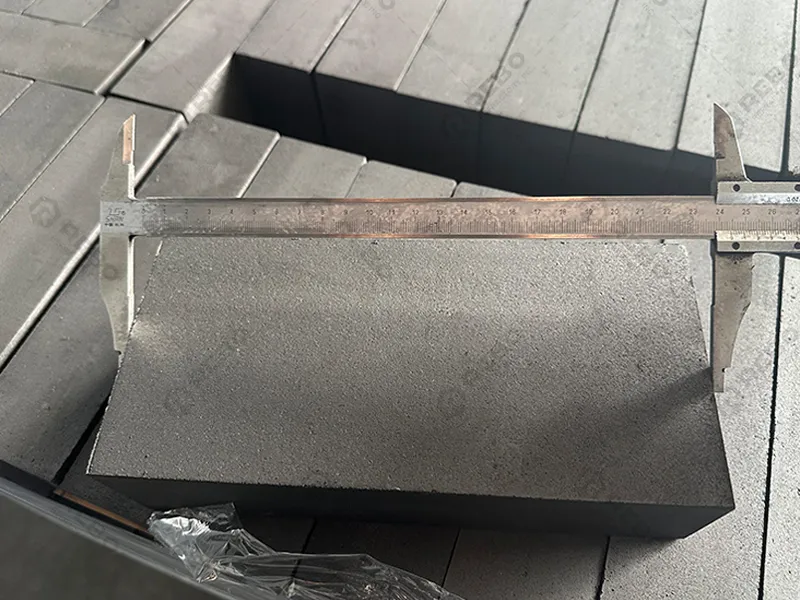
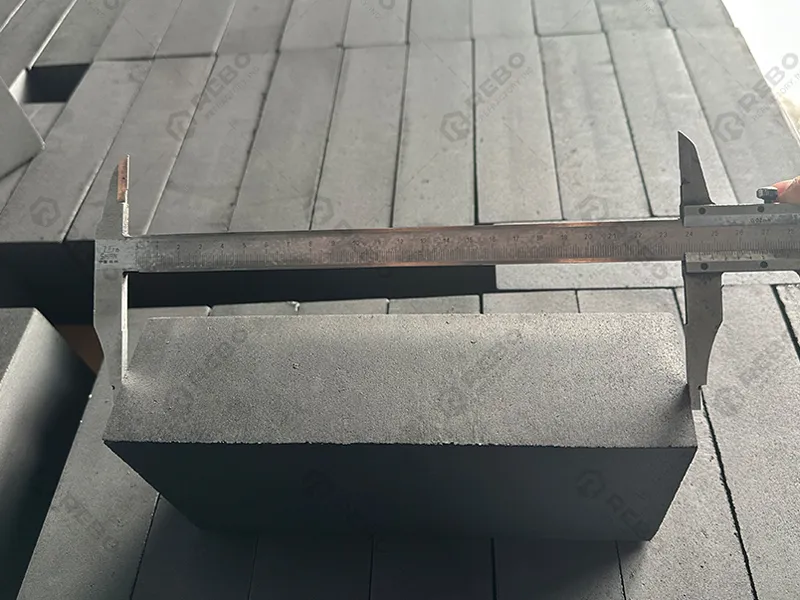
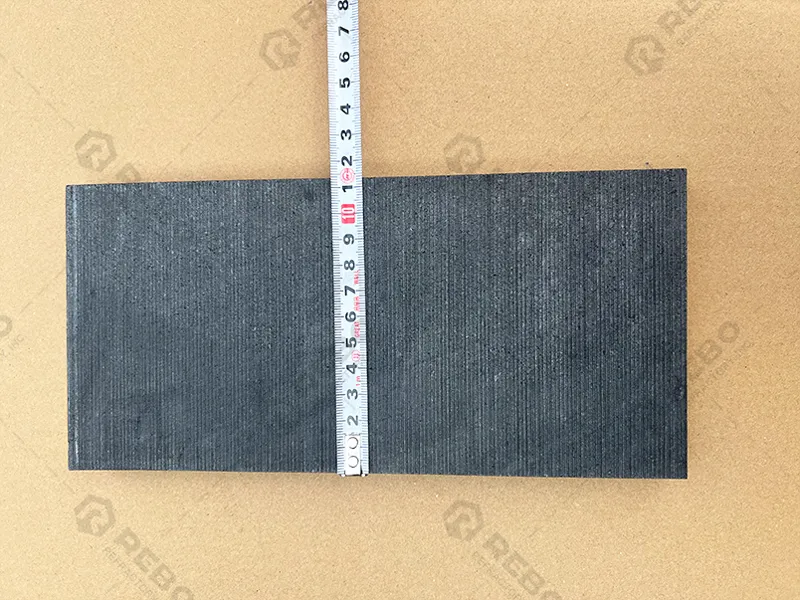
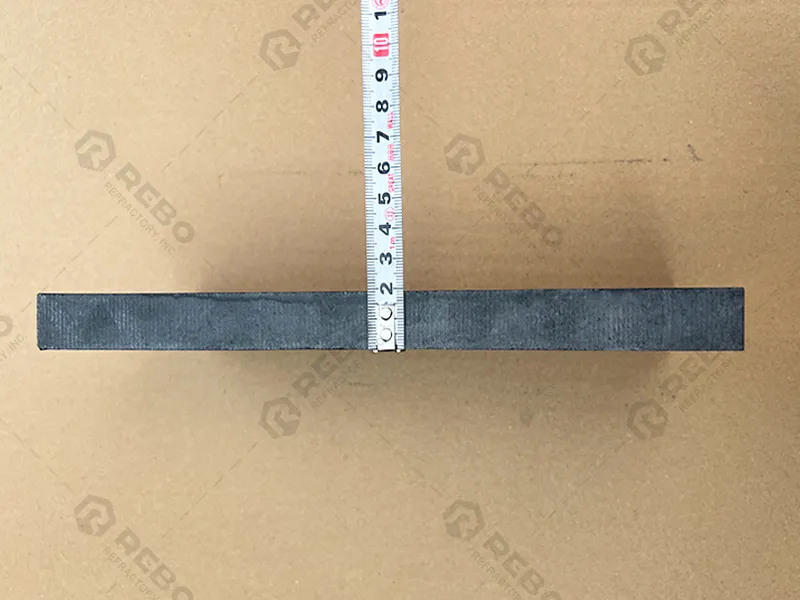
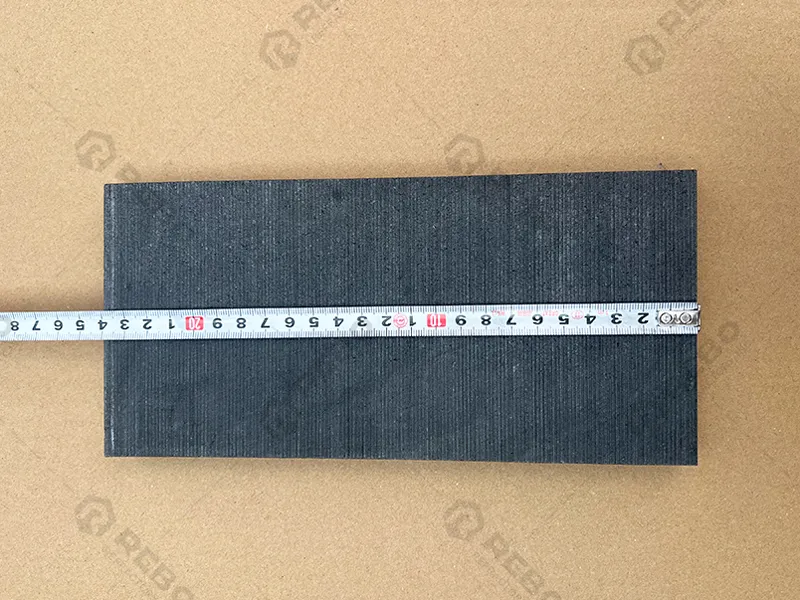
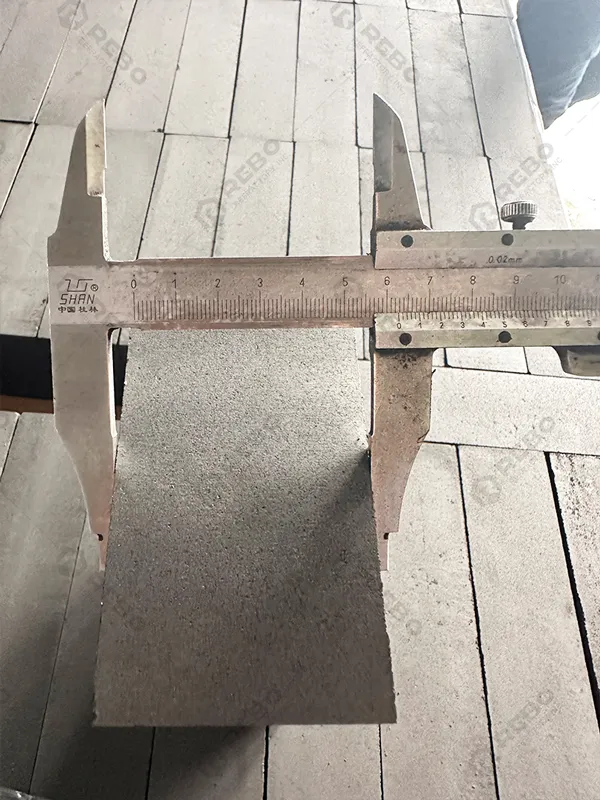
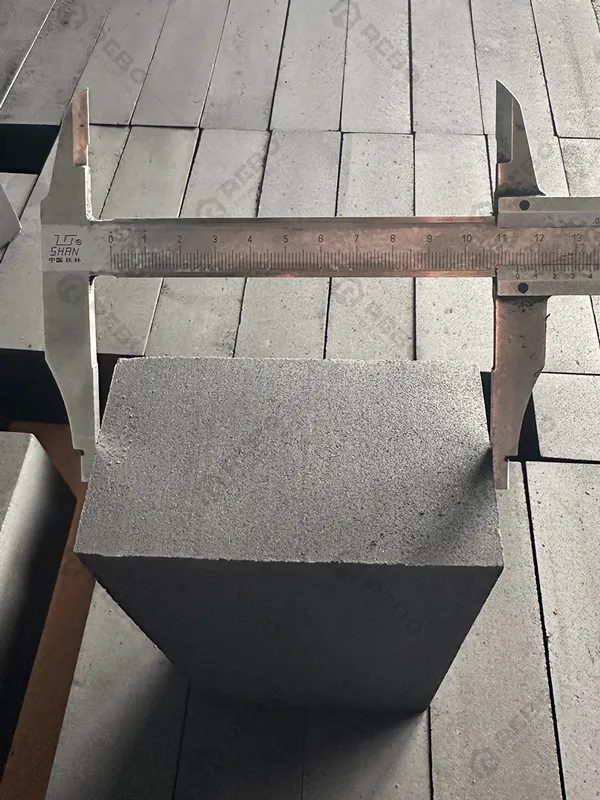
To meet the needs of different application areas, REBO offers a wide range of sizes. These include common straight bricks and wedge bricks. REBO also provides customized bricks based on your drawings. We adjust length, width, thickness and angle to match your equipment. Each batch is checked for dimension and density before delivery.
- Standard Straight Brick: plain rectangular brick for flat or straight wall lining.
- Side Wedge Brick: sloped on the side face, for circular equipment walls such as reactors, storage tanks and towers.
- End Wedge Brick: sloped on the end face, for arch roofs and circular tower locking structures.
- Arch Corner Brick: for corner sections of arch structures.
- Fan-Shaped Brick: for circular equipment walls or special curved masonry.
- Wedge Corner Brick: a transition brick combining wedge shape and angle adjustment.
- Customized Bricks: wedge bricks, fan-shaped bricks and other special shapes, produced to your drawings.
| Product | Length | Width | Thickness | Thickness |
|---|---|---|---|---|
| Standard | 230 | 113 | 65 | / |
| 230 | 113 | 40 | / | |
| 230 | 113 | 30 | / | |
| Side Wedge | 230 | 113 | 65 | 55 |
| 230 | 113 | 65 | 45 | |
| 230 | 113 | 55 | 45 | |
| 230 | 113 | 65 | 35 | |
| End Wedge | 230 | 113 | 65 | 55 |
| 230 | 113 | 65 | 45 | |
| 230 | 113 | 55 | 45 | |
| 230 | 113 | 65 | 35 |
REBO Anti-corrosion Carbon Brick is Trusted Across 50+ Countries
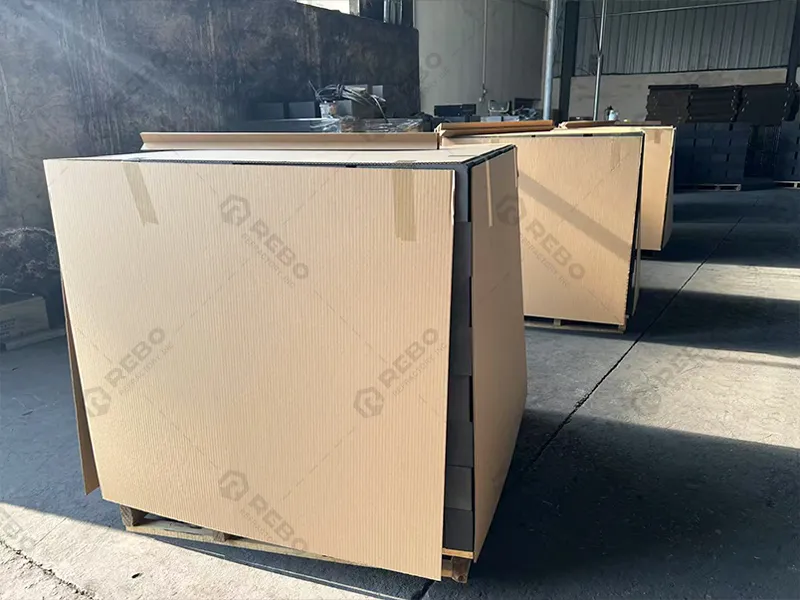
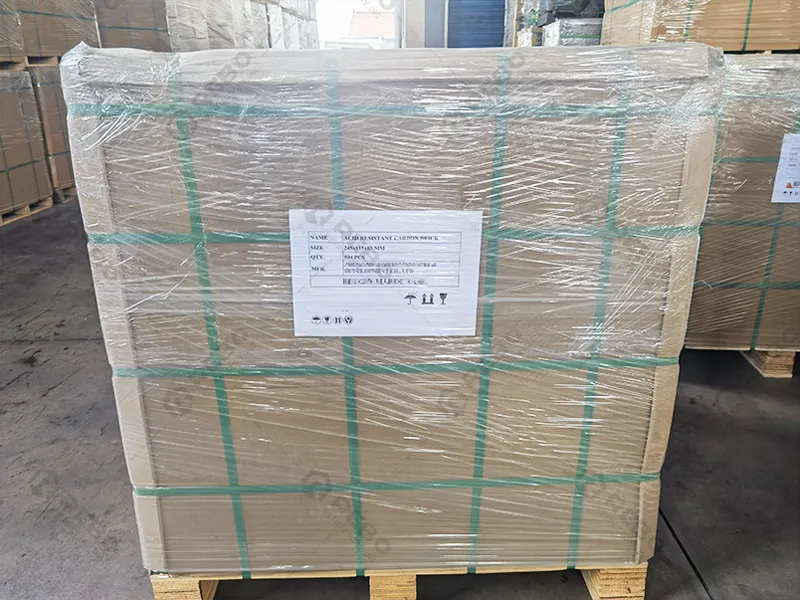
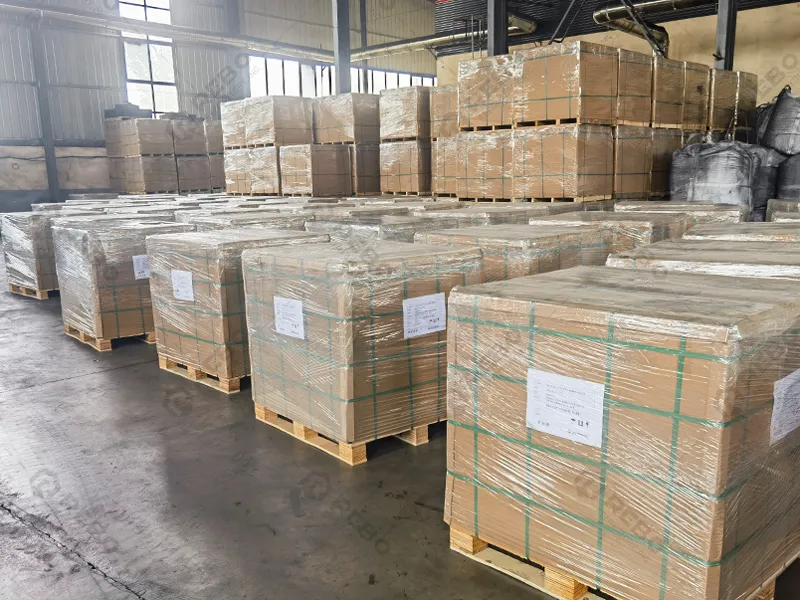
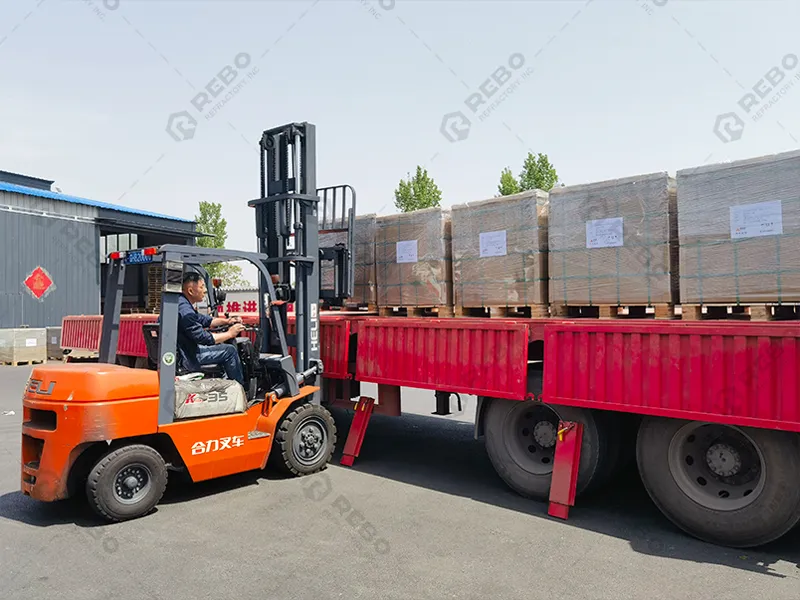
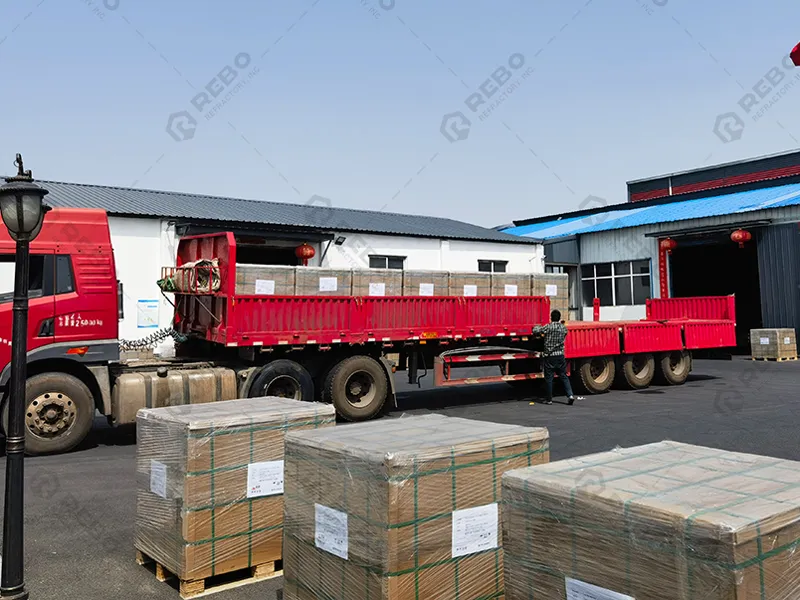
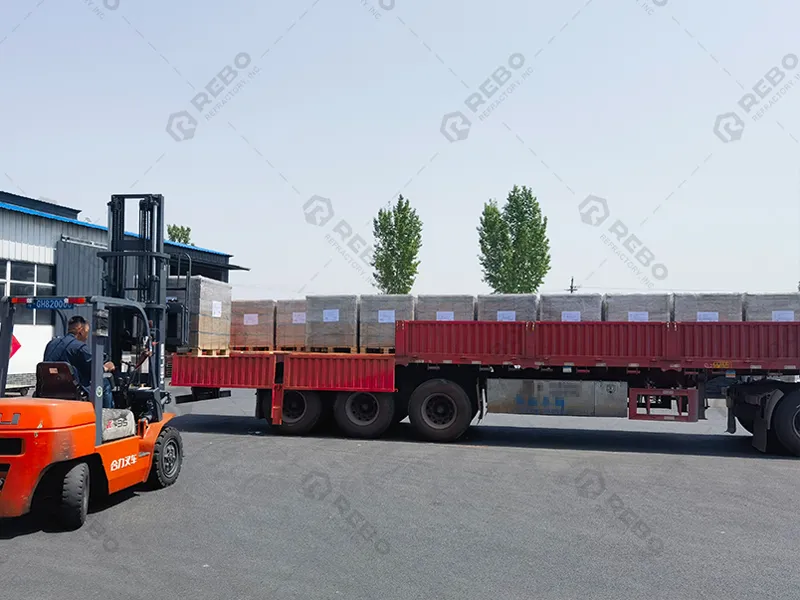
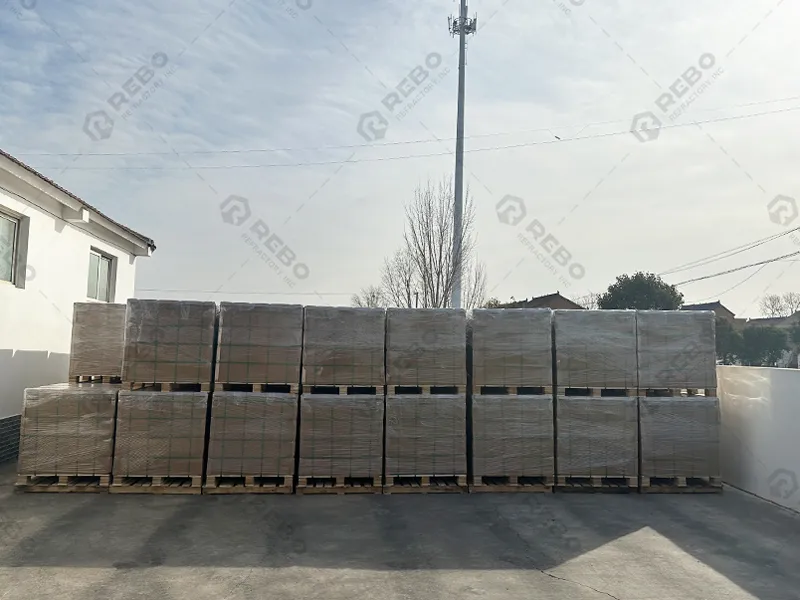
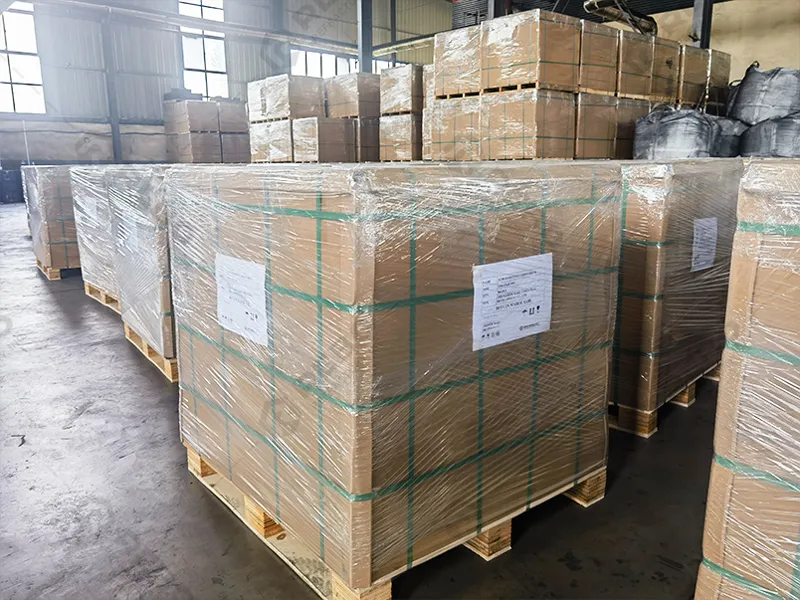
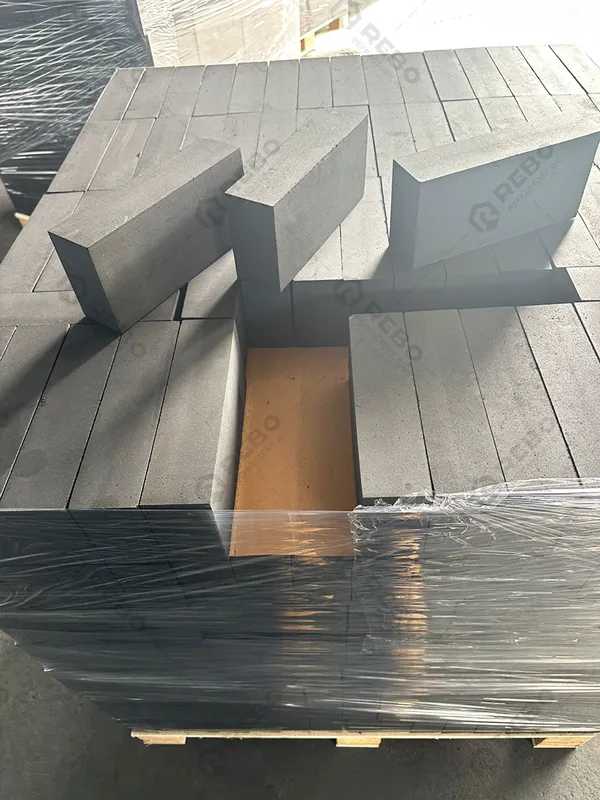
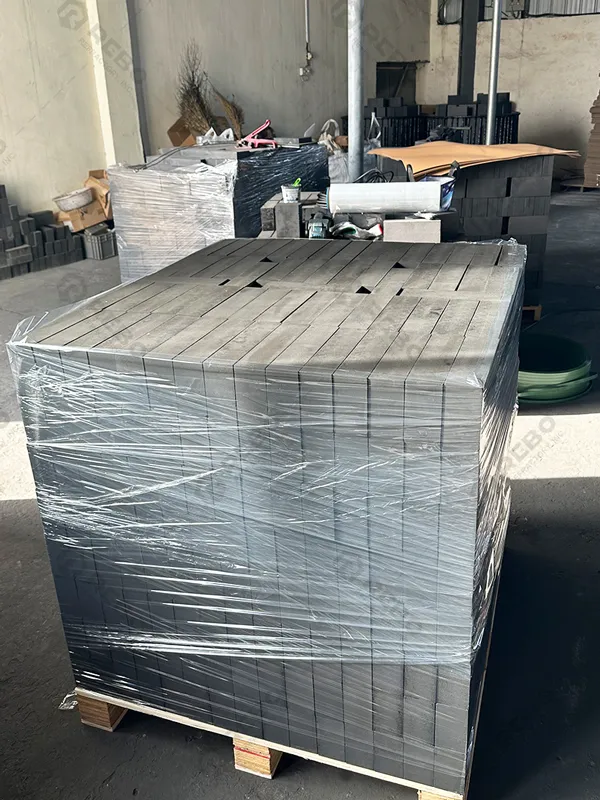
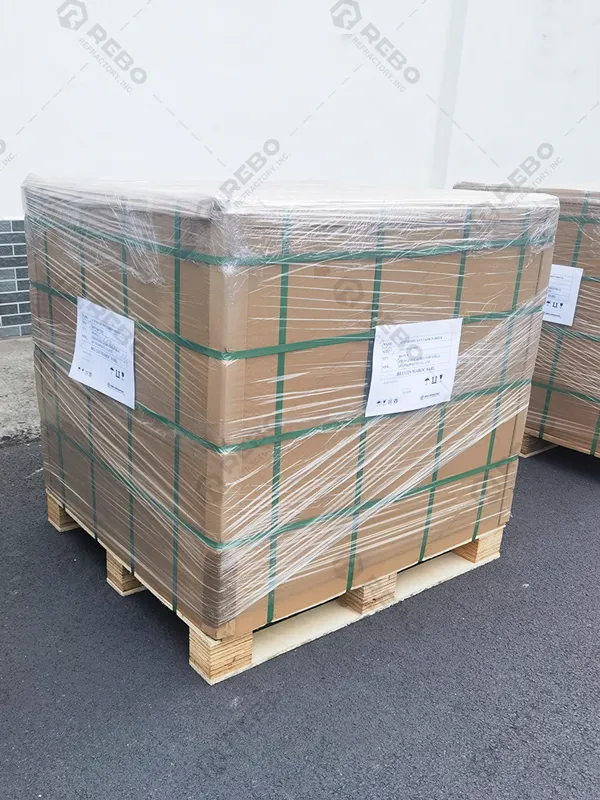
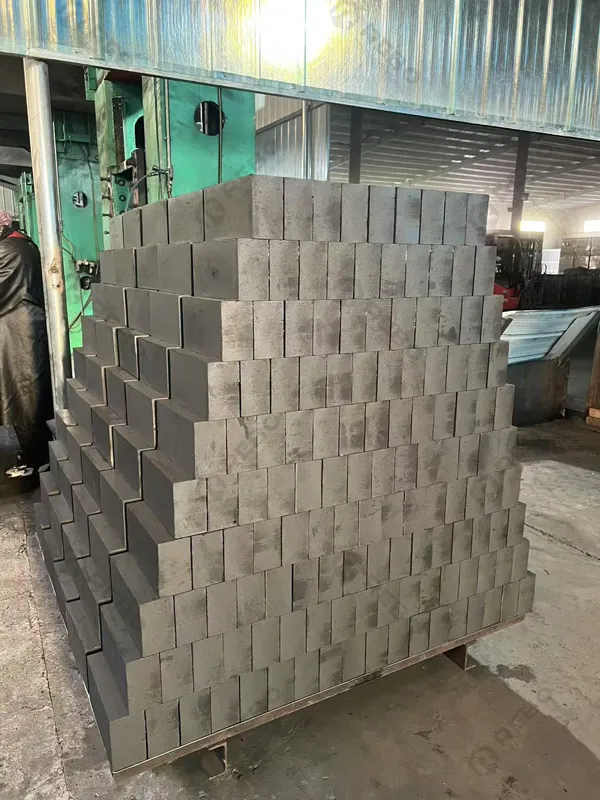
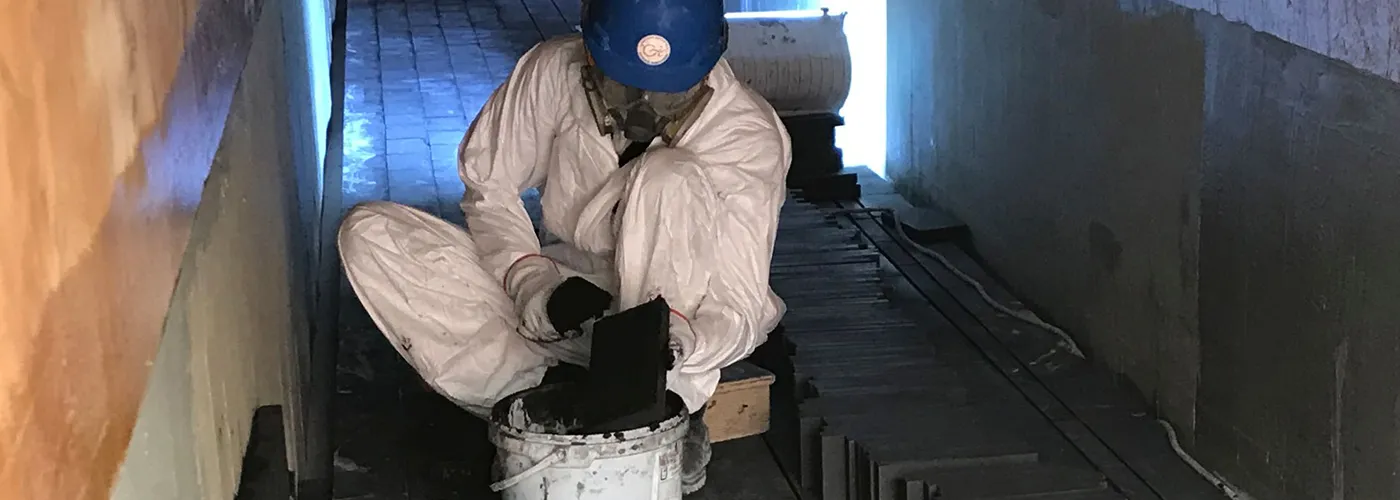
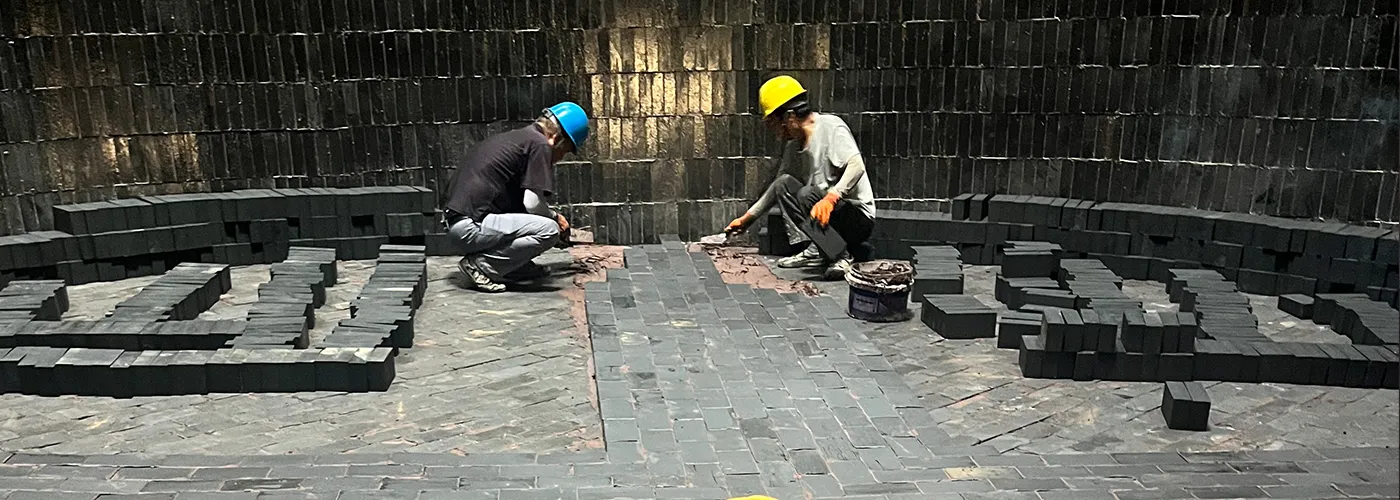
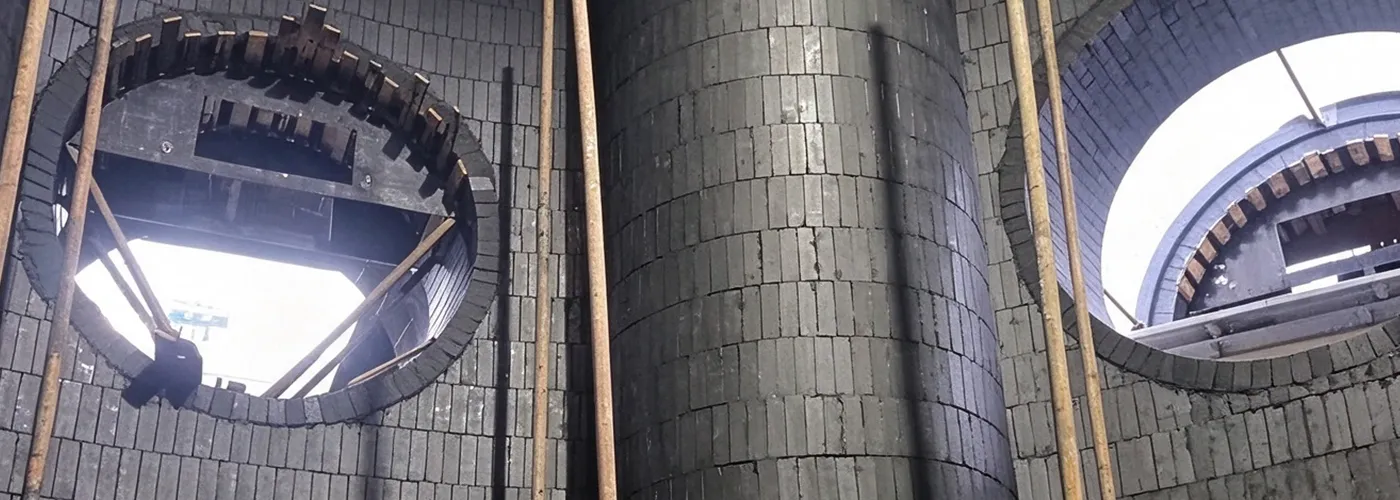
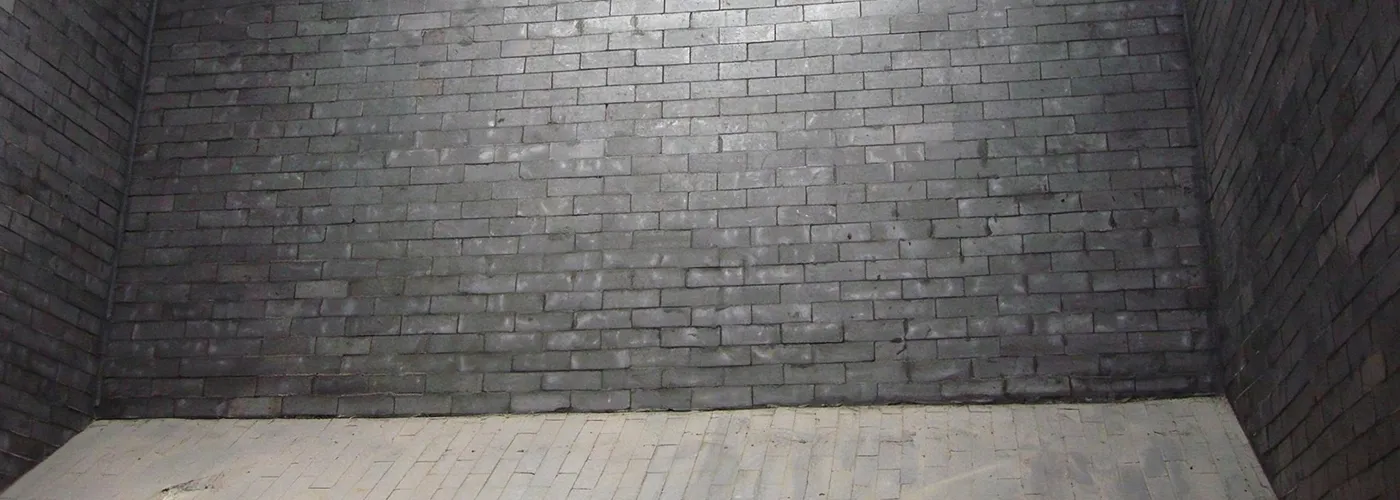
REBO anti-corrosion carbon bricks have been exported to more than 50 countries worldwide. These include Morocco, Japan, New Zealand, the United Kingdom, Zambia, and Germany. REBO products serve chemical, metallurgical, environmental, and electroplating industries across these markets. Every shipment is backed by full technical documentation and export packaging. This global reach reflects the trust our customers place in REBO.
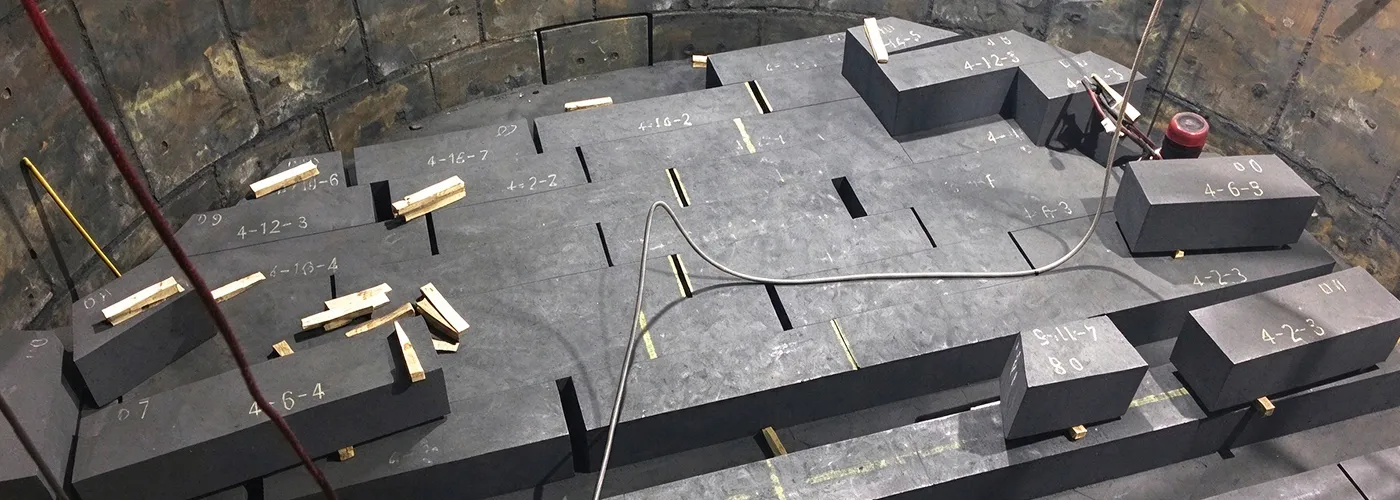
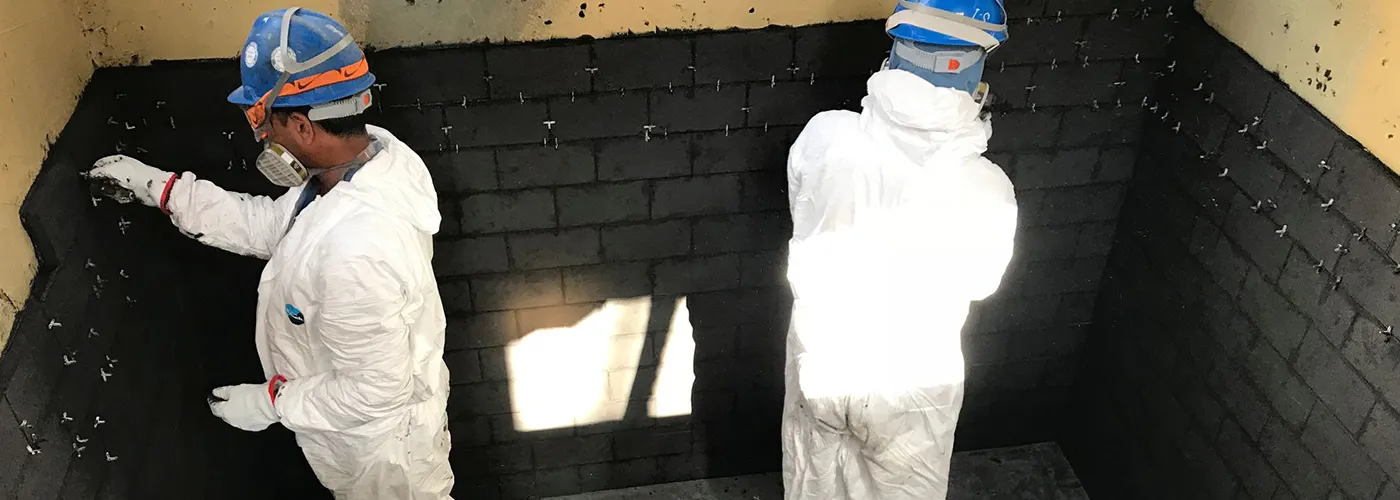
What Industries REBO Anti Corrosion Carbon Brick Works Best?
| Industry | Key Applications | Main Carbon Brick Types |
|---|---|---|
| Chemical | Phosphoric acid reactors, digesters, storage tanks, washing tower linings; acid/alkali storage tank linings (H₂SO₄, HCl, NaOH); reactor and autoclave linings; reaction tanks and dissolving tanks | Resin-impregnated carbon bricks (HF/mixed acid resistant), sintered acid-proof carbon bricks, high-purity graphite bricks, pitch-bonded carbon bricks |
| Metallurgy | Aluminum electrolytic cell cathodes (conductive + molten salt resistant); blast furnace bottom, hearth, and lower shaft; submerged arc furnace walls and bottoms; calcium carbide furnaces; pickling tank and pickling line linings; iron runners | Semi-graphite bricks, graphitized carbon bricks, standard carbon bricks, sintered carbon bricks, microporous carbon bricks |
| Environmental Engineering | Wet flue gas desulfurization (FGD) systems (acid slurry resistant); waste incinerators (HCl/SO₂ resistant); flue duct floor protection; acidic wastewater and sewage treatment tanks | Resin-impregnated carbon bricks, acid-proof carbon bricks |
| Electroplating & Electronics | Electroplating tanks (chromic acid, HF, and other strong acid baths); pickling tanks; semiconductor equipment corrosive gas environments; anti-corrosion cleanroom flooring | Resin-impregnated carbon bricks, high-purity graphite bricks, low-ash pressed carbon bricks |
| New Energy & Battery | Anti-corrosion needs in battery plants; anti-corrosion flooring in lithium battery and PV workshops | Resin-impregnated carbon bricks, high-purity graphite bricks |
| Pulp & Paper | Digester tank linings in pulp and paper industry | Pitch-bonded carbon bricks, sintered carbon bricks |
| Petrochemical | Autoclave linings in petrochemical industry | Graphite products, resin-impregnated carbon bricks |
Strong Manufacturing Capacity
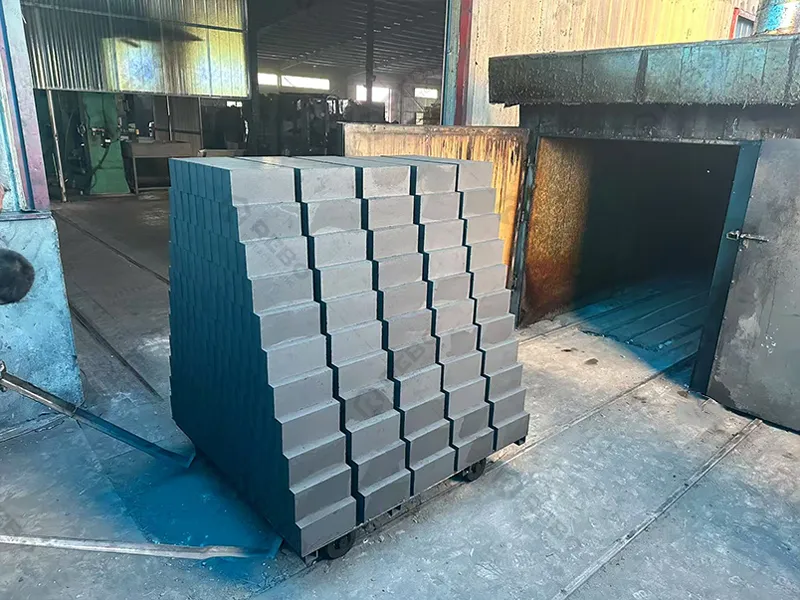
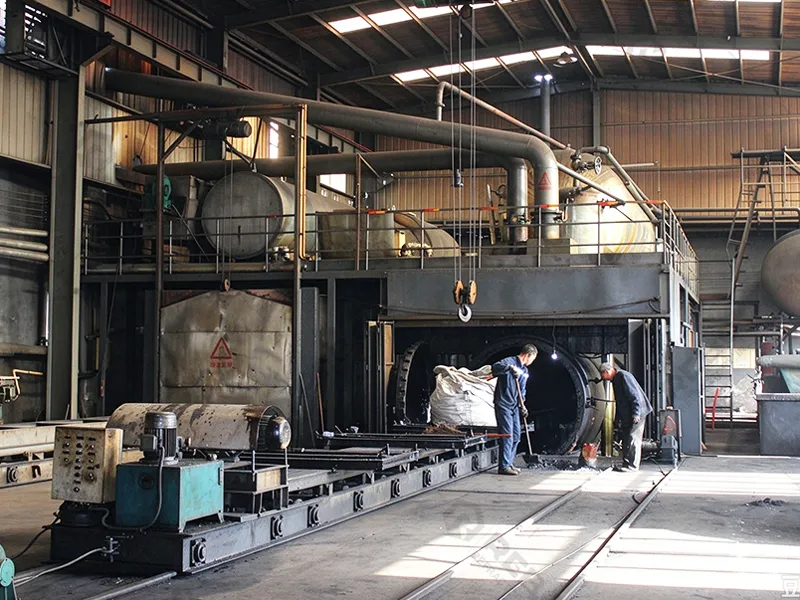
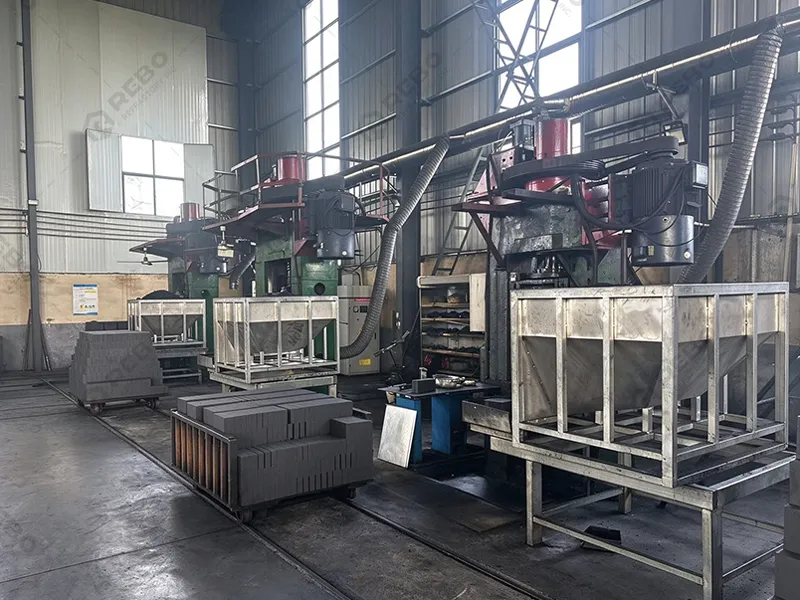
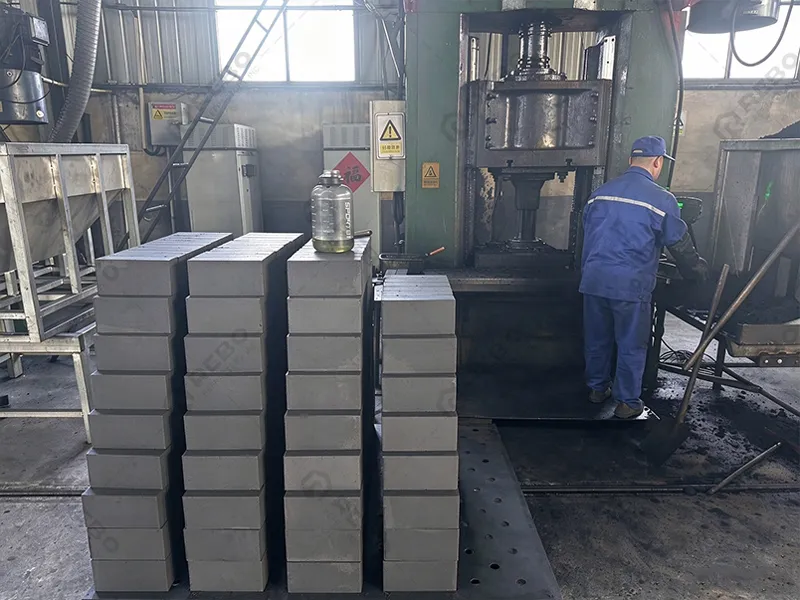
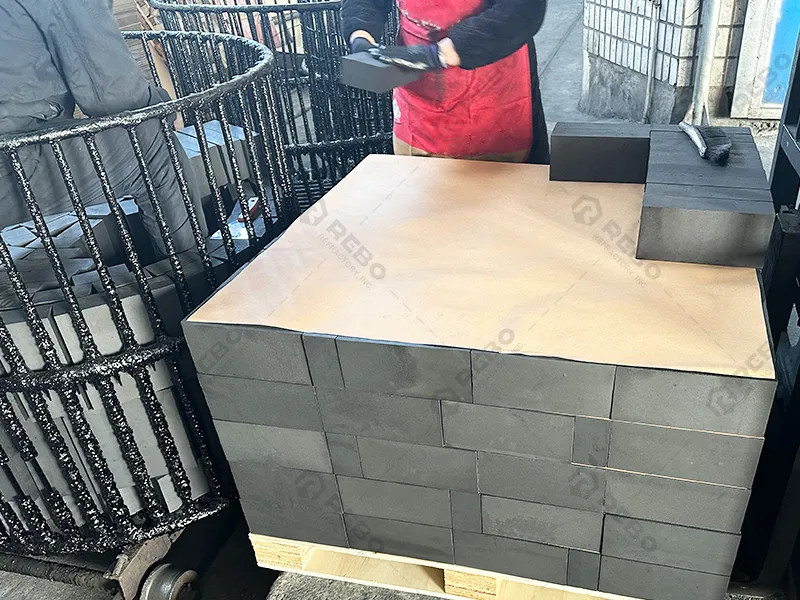
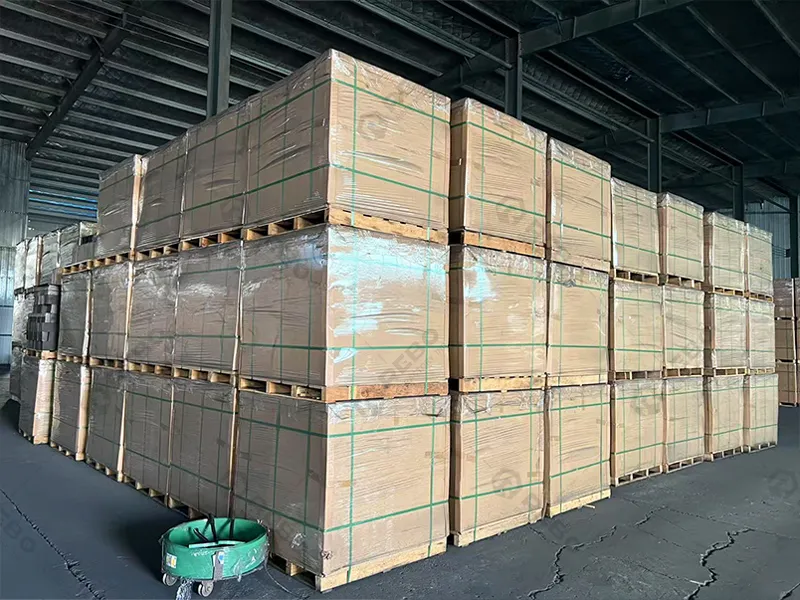
Manufacturing Scale
Advanced Equipment
R&D Strength
Factory-Direct Pricing
Custom Anti-Corrosion Solutions
Global Export Experience
Quality Certifications
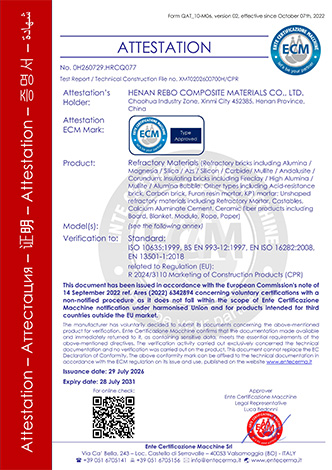
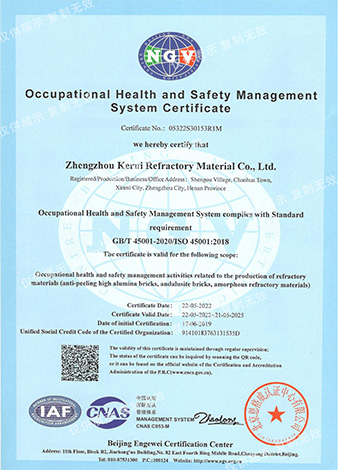
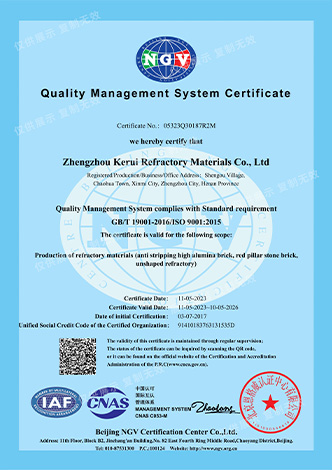
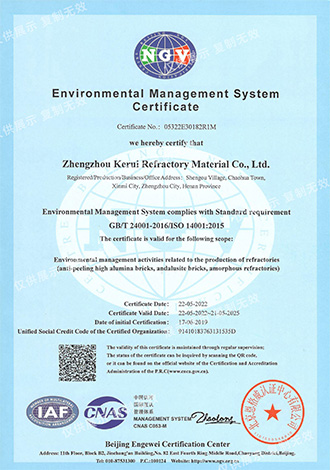
REBO holds ISO 9001, ISO 14001 and OHSAS 18001 certifications, plus CE marking and SGS verification. We also carry a safety equipment manufacturing license and CNAS Laboratory Accreditation. These credentials cover quality management, environmental control and occupational health and safety. They prove our production meets international standards. Every shipment comes with full technical documentation and test reports. These include material certificates, dimension checks, density and porosity data, and chemical resistance results. You get complete traceability from raw material to finished brick. This cuts your inspection workload and speeds up project acceptance.
From Selection to Lining Solution Service
Working Condition Analysis
Lining System Design
Brick Layout Drawings
Installation Supervision
On-Site Training
After-Sales Technical Support
One-Stop Anti-corrosion Carbon Brick Supply
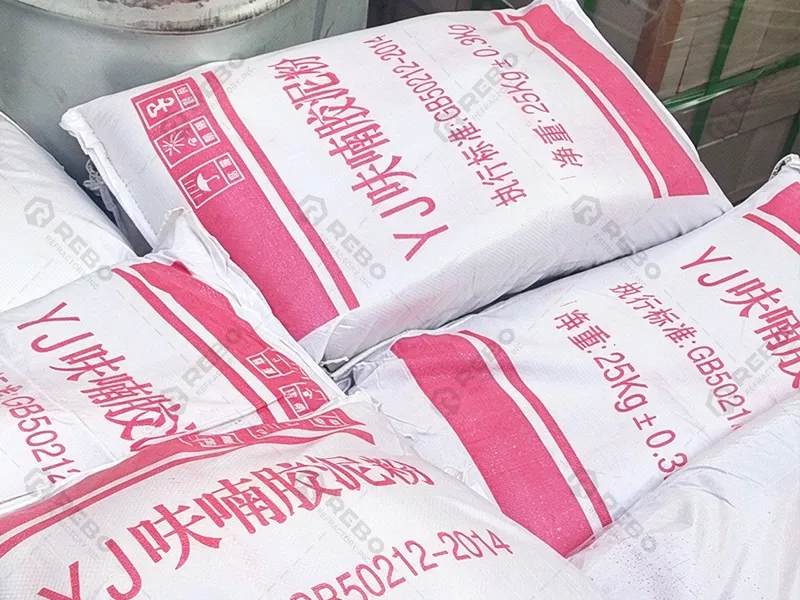
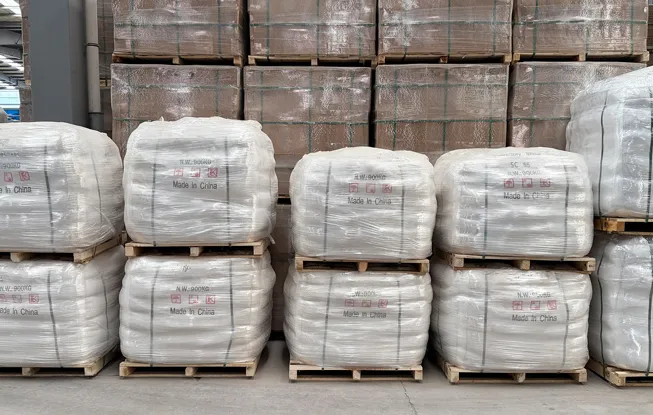
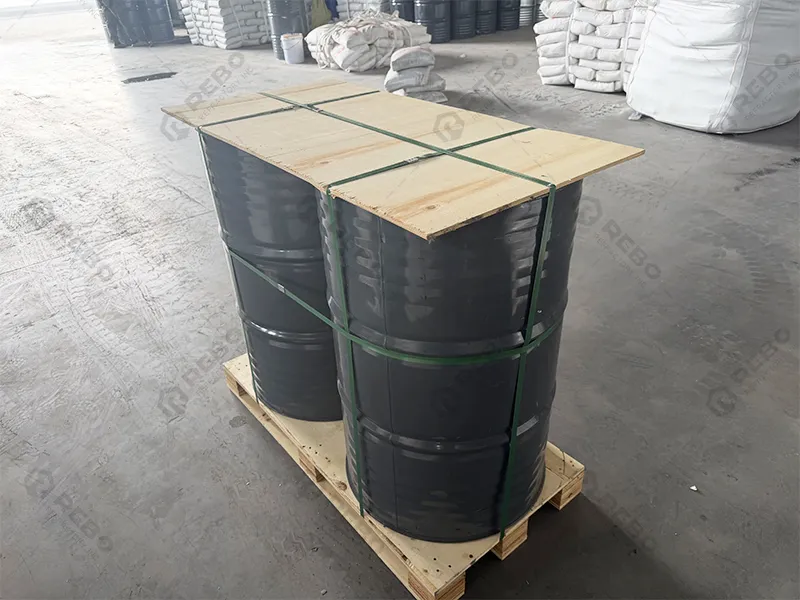
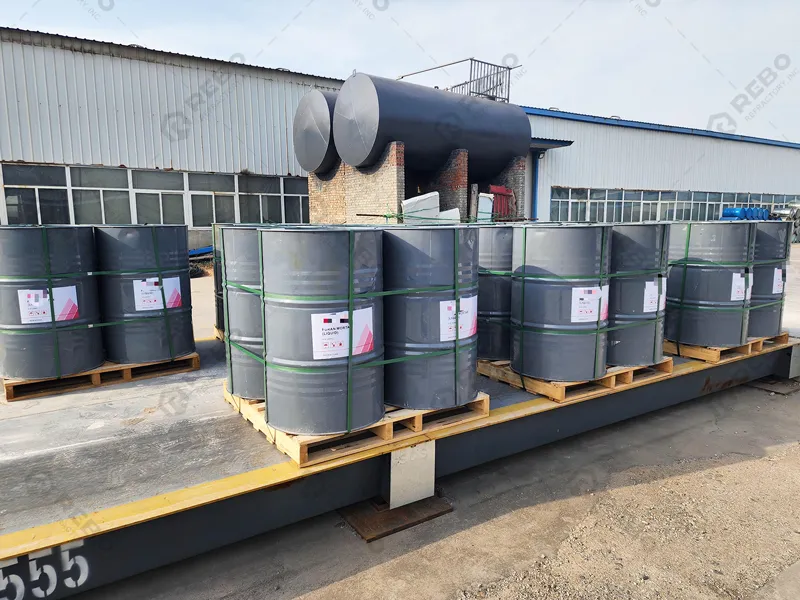
REBO YJ-5 furan resin mortar is the matching mortar for anti-corrosion carbon bricks. It is a two-component system: furan resin liquid plus carbon or graphite powder. This system resists hydrofluoric acid (HF). Ordinary silicate mortars cannot handle HF. The carbon or graphite filler in YJ-5 is chemically compatible with carbon bricks. Joint and brick behave as one continuous carbon-based lining. YJ-5 does not resist strong oxidizing acids. It is not suitable for nitric acid or concentrated sulfuric acid service. Typical uses: HF-bearing media, acid resistant linings in chemical equipment, and applications specifying carbon bricks as the protective layer.
FAQs About Anti-corrosion Carbon Brick
Q:Why Choose REBO Over Other Brands?
REBO connects three key steps: brick selection, mortar matching, and installation. This reduces failure risk from the source. We also support custom-shaped and wedge bricks based on your drawings. They fit circular reactors, towers, pipes, and other complex structures. Many standard-product suppliers cannot do this.
Q: Why Anti Corrosion Carbon Brick Is Irreplaceable for HF and Phosphoric Acid?
Phosphoric Acid Protection: Ideal for attack tanks, storage vessels, and scrubbers. Resists combined corrosion from H3PO4, HF, H2SiF6, and fluoride salts.
Composite Lining Defense: Combines wear resistance, low permeability, and thermal shock resistance. Raises the thermal limit of rubber linings by 20°C.
Q: Anti Corrosion Carbon Brick vs. Graphite Bricks Selection
Graphite Carbon Bricks: Infused with high-purity graphite. Delivers superior thermal conductivity, high thermal stability, low thermal expansion, and excellent spalling resistance. Best for extreme thermal cycling and severe abrasion.
Selection Rule: Choose Anti-Corrosion Carbon Bricks for anti-permeability and strong acid resistance; choose Graphite Bricks for high thermal shock resistance and heat transfer.
Q: Can REBO Provide Third-Party Test Reports Such as SGS or TÜV?
Q: What are Installation Precautions for Anti Corrosion Carbon Brick?
Mortar Application: Ensure 100% full mortar coverage with zero air bubbles. Promptly scrape off excess mortar.
Joint Control: Keep precise joint sizes. Small joints cause voids; large joints risk shrinkage cracks.
Blast Furnace Standards: Maintain joints under 0.5 mm (0.3 mm for tapholes). Use clean dry-masonry with a 0.5 mm surface flatness tolerance.
Q: Can Graphitized Cathode Carbon Bricks be used in Blast Furnaces?
Blast Furnace Standards: Furnace hearths require micro-porous, ultra-microporous, semi-graphite, or high-thermal-conductivity carbon bricks to resist hot metal erosion and alkali attack.
Key Distinction: Cathode bricks prioritize electrical conductivity and molten salt resistance. The two types serve different technical standards and are not interchangeable.
Q: How is the Impregnation Quality and Porosity of Acid Proof Carbon Bricks Testing?
Test Steps:
Dry the sample to a constant mass and weigh its dry weight.
Vacuum-impregnate with liquid to fill all open pores.
Weigh the saturated surface-dry weight and the suspended weight in liquid.
Calculate open pore volume relative to total bulk volume.
Quality Benchmark: Premium impregnated carbon bricks maintain apparent porosity below 10%. Micro-porous blast furnace bricks require even lower levels.
Q: What is Production Process for Anti-Corrosion Carbon Bricks?
Q: Can REBO Provide an English Technical Manual for Anti Corrosion Carbon Brick Installation?
Q: What are Installation Precautions for Anti-Corrosion Carbon Bricks?
Mortar Application: Ensure 100% full mortar coverage with zero air bubbles. Promptly scrape off excess mortar.
Joint Control: Keep precise joint sizes. Small joints cause voids; large joints risk shrinkage cracks.
Blast Furnace Standards: Maintain joints under 0.5 mm (0.3 mm for tapholes). Use clean dry-masonry with a 0.5 mm surface flatness tolerance.