


Corrosion protection in chlor-alkali plants involves more than acid resistance. The production process uses various chemicals, including brine (NaCl), wet chlorine gas, hydrochloric acid (HCl), sodium hypochlorite (NaClO), and caustic soda (NaOH). Different areas also face temperature fluctuations, condensate buildup, alternating chemical exposure, and changes in operating cycles. A reliable corrosion protection system requires more than the right acid-resistant tiles. It also requires compatible tiles, mortar, jointing materials, and substrate protection.
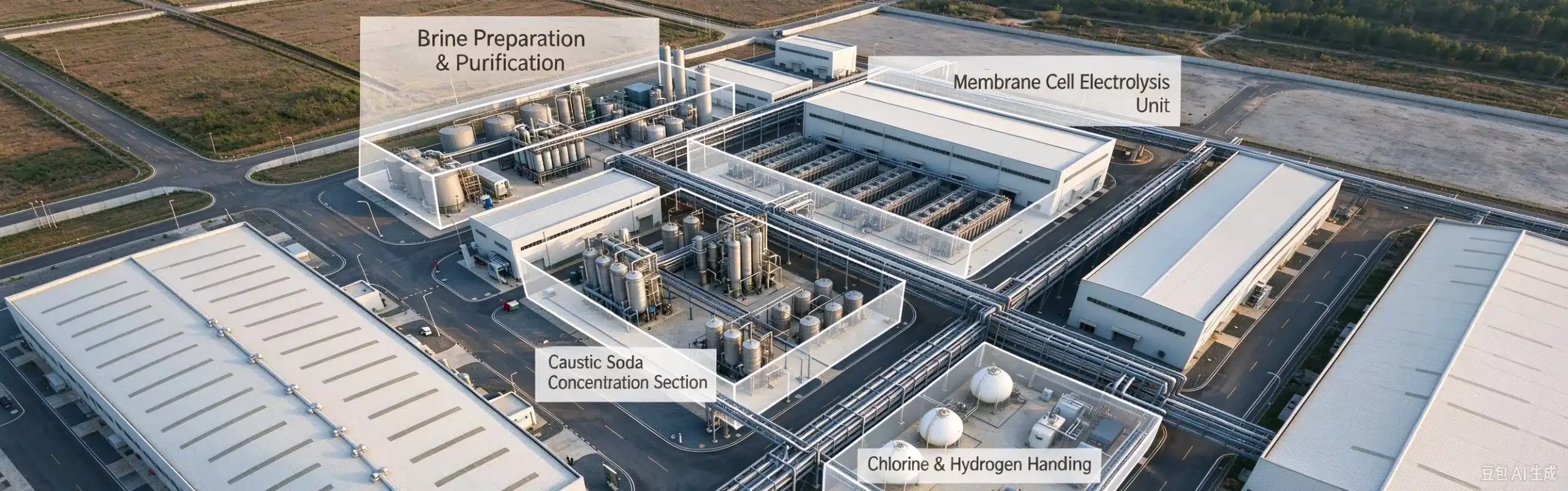
How to Select Acid Resistant Tiles for Different Chlor-Alkali Processes?
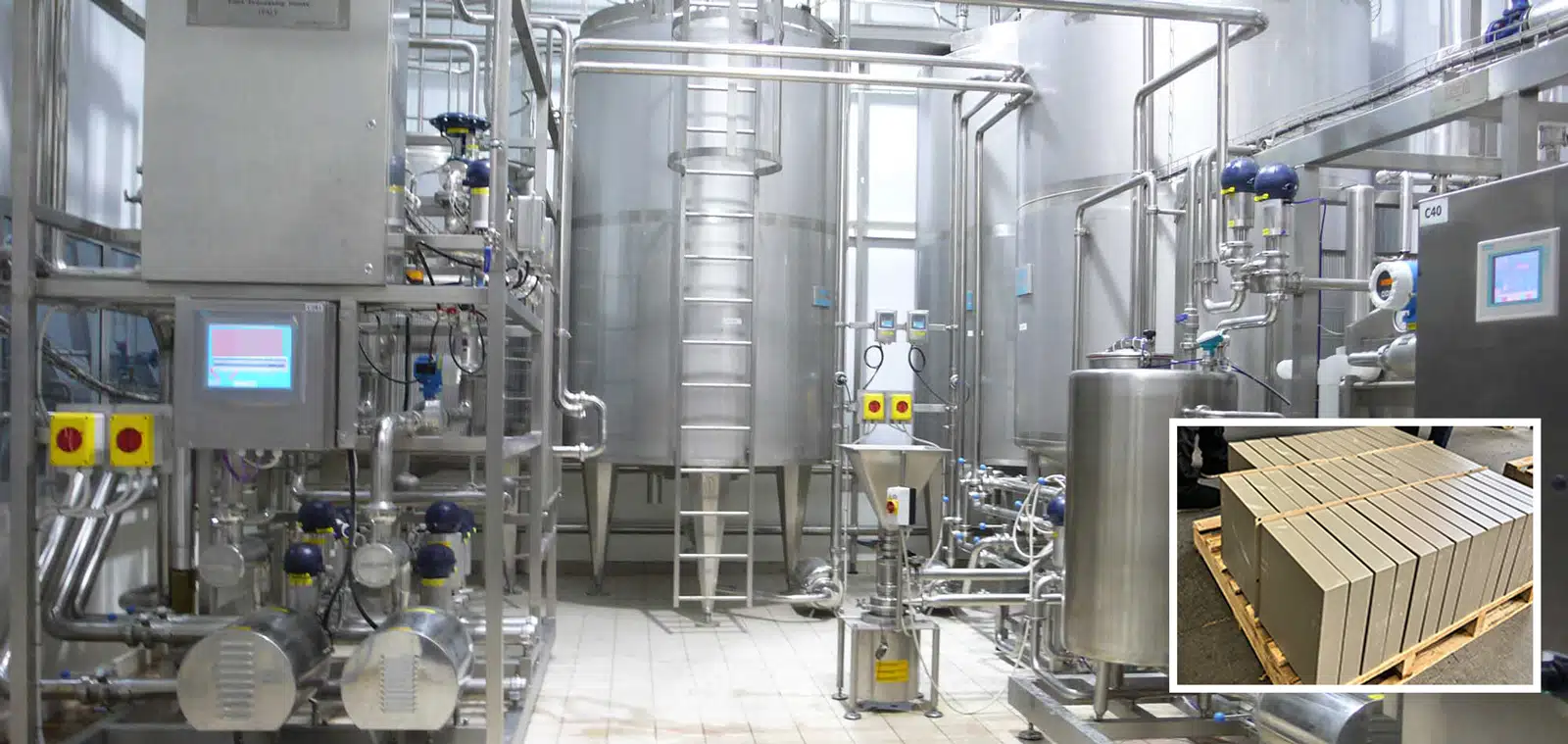
Process 1: Brine Purification and Storage
Brine purification is a pretreatment stage in chlor-alkali production. Brine systems mainly contain sodium chloride (NaCl) solutions. Some areas may also come into contact with free chlorine, hypochlorites, or other treatment chemicals. Sodium chloride solutions are not strongly acidic by nature. However, high chloride concentrations, oxidizing impurities, temperature changes, and long-term liquid penetration can still affect protective linings.
- Low Water Absorption and Reduced Penetration Risk: Choose dense acid resistant ceramic tiles with stable water absorption and reliable test data. These properties help reduce liquid penetration into the tile body.
- Resistance to Salt Crystallization: Brine systems may experience evaporation, wet-dry cycles, and salt crystallization. Evaluate the porosity of the tiles, joint integrity, and the overall impermeability of the lining system.
- Resistance to Oxidizing Chemicals: Brine may contain sodium hypochlorite or free chlorine. Verify the chemical resistance of both the tiles and the mortar under actual operating conditions.
- Suitability for High-Temperature Service: Operating temperatures may reach 80–90°C in some areas. Verify the long-term temperature resistance of the mortar, jointing materials, substrate, and complete lining system.
Selection Recommendation: Consider dense acid resistant tiles or ceramic tiles with proven resistance to the relevant chemicals. A water absorption rate below 0.5% may serve as a reference target for some projects. Determine the final specifications based on actual operating conditions, product test results, and project requirements.
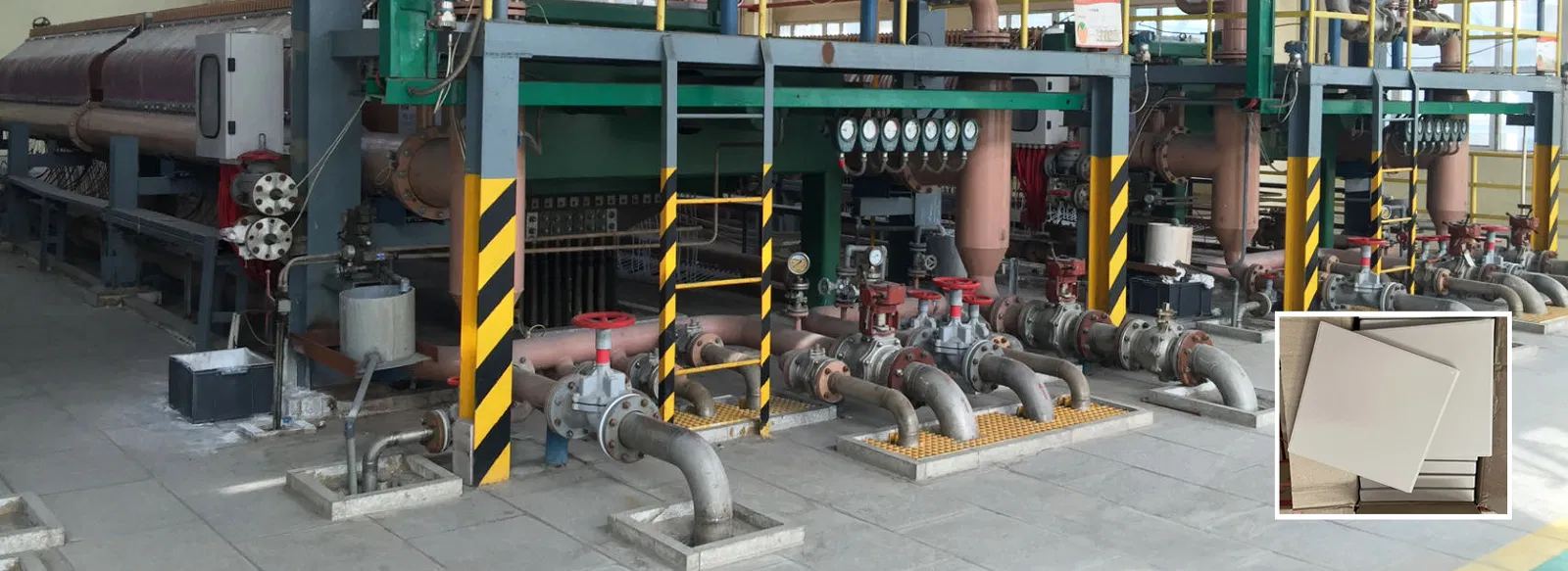
Process 2: Electrolysis and Wet Chlorine Treatment
The electrolysis process produces chlorine gas. Chlorine treatment may involve cooling, demisting, and drying. Moisture content, temperature, and condensation vary across these stages. These factors significantly affect corrosion risks.
Wet chlorine gas reacts with water and creates a corrosive environment containing hydrochloric acid and hypochlorous acid. Local condensation, entrained droplets, and chemical accumulation can further increase the chemical stress on the lining.
For floors, tanks, and drainage channels approved for brick lining by engineering design, focus on the following factors:
- Chemical Resistance: Verify the tile’s resistance to actual acidic condensates and potential oxidizing chemicals.
- Mortar Performance: Confirm the chemical stability and maximum service temperature of the compatible mortar.
- Joint and Detail Protection: Ensure continuous corrosion protection at joints, corners, drains, and equipment connections.
- Thermal Stability: Evaluate the effects of temperature changes, condensation, and potential thermal shock on the entire lining system.
Selection Recommendation: High-silica acid-resistant tiles and dense ceramic tiles may be suitable candidates. Prioritize products with verified resistance data for the target chemicals. Confirm the compatibility of the furan resin mortar and the complete installation system.
Process 3: Hydrochloric Acid Synthesis, Absorption, and Storage
Hydrochloric acid synthesis and absorption systems, storage tanks, and containment bunds are common applications for acid-resistant tile linings.
However, different areas require different levels of corrosion protection, even when they use the same hydrochloric acid. Tank linings may face long-term acid immersion. Bunds and drainage channels may face leaks, splashes, or intermittent contact.
- Acid Concentration: Confirm the actual hydrochloric acid concentration by weight and its operating range.
- Operating Temperature: Confirm the normal operating temperature and the possible maximum temperature.
- Exposure Conditions: Identify continuous immersion, intermittent contact, condensation, and other service conditions.
- Substrate and Waterproofing: Assess the substrate material, structural conditions, and liquid penetration protection requirements.
- Other Chemicals: Check for additional corrosive chemicals and cleaning procedures.
Selection Recommendation: Consider acid-resistant tiles. Select compatible corrosion-resistant mortar based on the actual operating conditions. Options may include potassium silicate mortar or vinyl ester resin mortar.
Process 4: Caustic Soda Evaporation and High-Temperature Alkali Areas
Chlor-alkali production also involves the storage, transfer, and concentration of caustic soda solutions. Chemical resistance can vary significantly with concentration, temperature, and contact time.
For projects involving NaOH solutions, caustic soda evaporation, concentration, or other high-temperature alkaline conditions, reassess the suitability of the tiles, mortar, and complete lining system. Base the assessment on the actual concentration, temperature, and exposure conditions.
For areas around caustic soda storage tanks, alkali drainage channels, and other locations suitable for brick lining, evaluate alkali resistant materials or other suitable corrosion protection systems. Consider the actual solution concentration, operating temperature, contact time, and structural conditions. Corrosion-resistant carbon bricks may also be an option for suitable applications.
Acid Resistant Tile Selection Guide for Chlor-Alkali Plants
| Application Area | Main Corrosion Risks | Material Selection & Installation |
|---|---|---|
| Brine Purification & Storage | Chlorides, oxidizing impurities, seepage, and salt crystallization | Use dense acid resistant tiles or verified ceramic tiles. Check chemical resistance and joint sealing. |
| Electrolysis & Wet Chlorine Treatment | Wet chlorine, acidic condensate, liquid accumulation, and temperature changes | Use a proven brick lining system only where the design permits. Verify chemical resistance, temperature limits, and joint sealing. |
| HCl Synthesis, Absorption & Storage | Hydrochloric acid concentration, temperature, immersion, and condensation | Select dense acid resistant tiles based on actual conditions. Verify mortar compatibility, bonding, and curing. |
| Caustic Soda Storage & Evaporation | Concentrated alkali, high temperatures, and prolonged exposure | Evaluate alkali resistant materials or alternative lining systems. Verify mortar and substrate resistance to alkali and heat. |
Note: These recommendations provide preliminary material selection guidance. They may not suit every plant. Base the final solution on actual chemical data, product test results, design conditions, and validation of the complete lining system.
Key Checks When Buying Acid-Resistant Tiles for Chlor-Alkali Plants?
For chlor-alkali projects, buyers should focus on four key areas during the quotation stage besides water absorption. To ensure a comprehensive and accurate evaluation, particular attention should be given to these four aspects, as they play a critical role in assessing the overall feasibility and cost-effectiveness of the project. A thorough review of each area will help buyers identify potential risks early and make better-informed decisions before finalizing the quotation.
Does Chemical Resistance Match Actual Operating Conditions?
Ask suppliers to specify the test chemicals, concentrations, temperatures, test methods, and results. For wet chlorine, sodium hypochlorite, and mixed chemical environments, do not rely solely on general acid resistance data.
Are Water Absorption, Dimensions, and Product Quality Consistent?
Water absorption helps assess tile density. Also check dimensional tolerances, appearance, mechanical properties, and batch test results. Follow the specified test methods and acceptance criteria for projects with clear technical requirements.
Is the Compatible Mortar Suitable for Chlor-Alkali Conditions?
Verify the acid proof mortar’s resistance to target chemicals, maximum service temperature, and compatibility with the tiles and substrate. Confirm installation and curing requirements. For long-term immersion or high-temperature areas, do not rely solely on room-temperature acid resistance data.
Can the Supplier Provide Engineering Support?
Check product data sheets, batch test reports, experience with similar chemical projects, and support for sample validation or third-party testing. For chlor-alkali plants with high shutdown costs, material selection and installation quality directly affect future maintenance risks.
REBO Corrosion Protection Solutions for Chlor-Alkali Plants
Chlor-alkali plants face corrosion challenges across multiple process areas. Tile price alone cannot determine the suitability of a corrosion protection system. REBO helps customers evaluate tile specifications, water absorption, chemical resistance, and compatible mortar requirements based on the actual operating conditions. We also identify material properties and test items that require further verification.
If you are sourcing acid-resistant tiles for hydrochloric acid storage tanks, brine areas, chemical plant floors, or other chlor-alkali facilities suitable for brick lining, please provide the following information during the quotation stage:
- Installation area and main chemicals in contact.
- Chemical concentrations, normal operating temperature, and maximum temperature.
- Exposure conditions, including continuous immersion, intermittent contact, or splashing.
- Required tile specifications, quantities, and project technical standards.
- Mortar requirements, test reports, and installation requirements.
This information helps narrow down suitable products and reduces the risk of material mismatch with actual operating conditions.
FAQs
Q:Can Acid Resistant Tiles Be Used in All Areas of a Chlor-Alkali Plant?
Q: Do Lower Water Absorption Rates Always Mean Better Acid Resistant Tiles?
Q: How Should I Choose Between Furan Mortar, Potassium Silicate Mortar, and Epoxy Mortar?
Q: Must the Acid Resistant Tiles and Mortar Come From the Same Supplier?
Q: Is Third-Party Testing Necessary Before Purchasing?
Q: Which Lining Materials Work Best in Sodium Hypochlorite Areas?
Q: How Can You Reduce Corrosion Risks in Wet Chlorine Areas?
Start with the actual process conditions. Identify condensate locations, liquid collection points, and drainage requirements. Consider acid-resistant tile linings for suitable floors, sumps, and drainage channels. Confirm the chemical resistance of both tiles and mortar before use. Wet chlorine equipment and piping require separate material selection and engineering review.
Electrolysis areas may also require electrical insulation. Check the electrical requirements for the specific location. Do not assume tile lining alone meets every insulation or safety requirement.
Q: How Should You Plan Anti-Corrosion Work During a Chlor-Alkali Plant Shutdown?
During installation, control substrate preparation, tile alignment, joint filling, and curing conditions. Give extra attention to corners, drains, pipe penetrations, and transitions. After curing, inspect the lining for cracks, hollow areas, open joints, and other visible defects. Complete the specified integrity tests before returning the area to service.