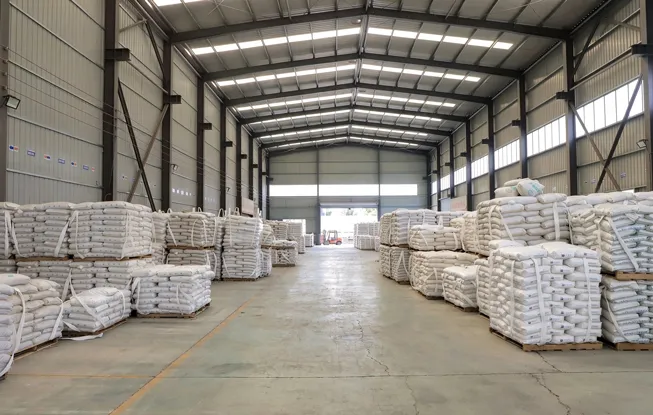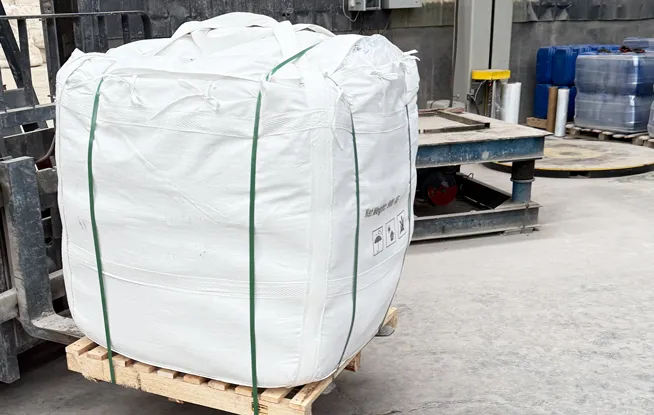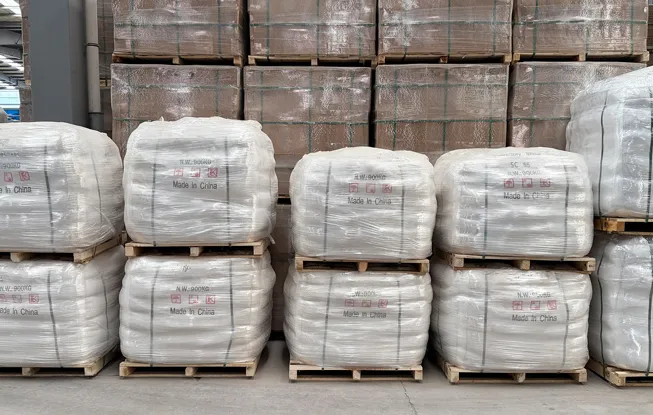




Acid resistant mortars for brick and tile linings exposed to acids, chemicals, moisture, and corrosive process conditions. REBO supplies acid proof mortars for different temperatures, chemical media, and lining applications. Our range covers furan resin and KP1 potassium silicate mortars for standard duty to severe corrosive service. We also provide technical support for product selection, specification review, and complete lining systems. This ensures reliable performance as part of a fully engineered solution.
Which Acid Proof Mortar Do You Need?
REBO offers ruran resin mortar and KP1 silicate mortar. These cover most application scenarios. Not sure which acid proof mortar is right for your project? Send us your operating temperature, chemical media, concentration, and lining material. REBO will recommend the suitable mortar based on your actual lining conditions.
| Comparison Item | Furan Resin Mortar | KP1 Silicate Mortar |
|---|---|---|
| Main Components | Furan resin and curing agent | Potassium silicate, curing agent, and acid-resistant fillers |
| Temperature Resistance | Typically≤140-180°C, depending on the formulation | Up to 300°C for specific media; 800-1000°C in flues and furnaces under specific conditions |
| Chemical Resistance | Resistant to various acids and some mixed chemical media, including HF; depends on the formulation | Suitable for various inorganic acids; not resistant to hydrofluoric acid or alkalis |
| Working Time | Typically 30-45 minutes | Typically 30-45 minutes |
| Curing and Maintenance | Chemically cured; follow the product’s curing requirements | Requires humidity control and protection from water and moisture. Acid treatment is required according to the specified process |
| Application Features | Short working time; careful mixing and application are required | Relatively simple mixing, but stricter curing and post-treatment requirements |
| Environmental and Safety Considerations | VOC content varies by formulation. Good ventilation is required during application | Generally an inorganic system. Refer to the product SDS for specific information |
| Typical Applications | Highly corrosive chemical environments and acidic conditions within the suitable temperature range | Mineral-based acid-resistant brick linings and high-temperature acidic environments where suitability has been verified |
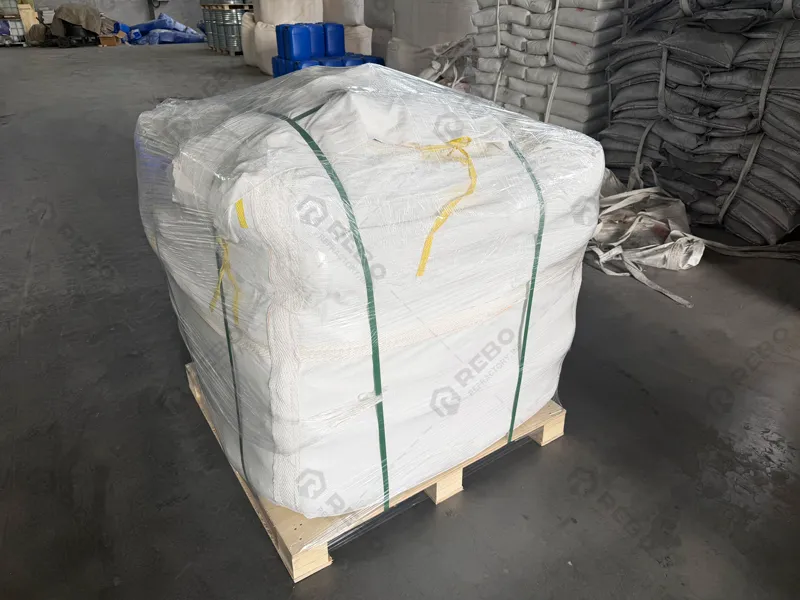
Types of Acid Proof Mortar
Furan Resin Mortar
Furan resin mortar consists of furan resin liquid and furan powder. Mix the two components at a 1:3 ratio for use under normal temperature and humidity. For special humidity conditions, please consult REBO in advance. Furan resin mortar mainly includes YJ-2 and YJ-5. Both resist strong oxidizing acids poorly.
- YJ-2 resists various acids and alkalis and works at temperatures up to 150°C.
- YJ-5 resists HF.
Parameter of KP1 Silicate Mortar
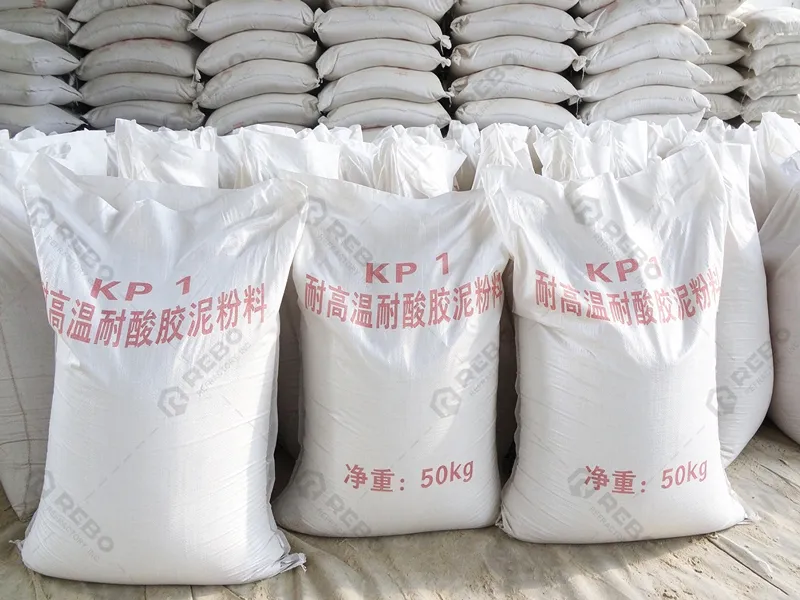
KP1 Mortar consists of powder and liquid. Mix the powder and liquid at the specified ratio before use. Under normal temperature and humidity, the ratio is mortar powder:potassium silicate water glass=100:36-40. For special temperature and humidity conditions, please consult REBO in advance. KP1 mortar liquid mainly includes sodium silicate mortar and potassium silicate mortar.
- Sodium silicate mortar resists strong oxidizing acids.
- Potassium silicate is an improved version of sodium silicate, with better density, impermeability, and bond strength. It is not suitable for HF or hot concentrated phosphoric acid. It can be used in high-temperature flues above 150°C.
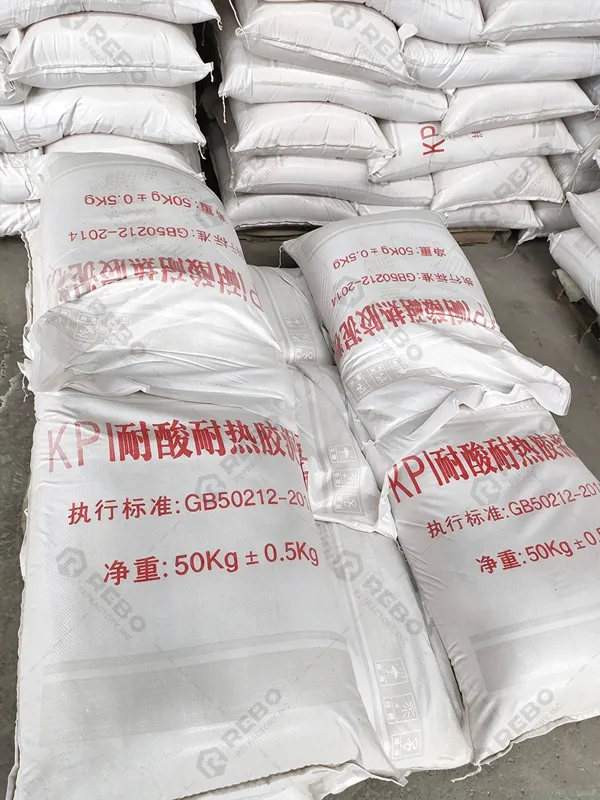
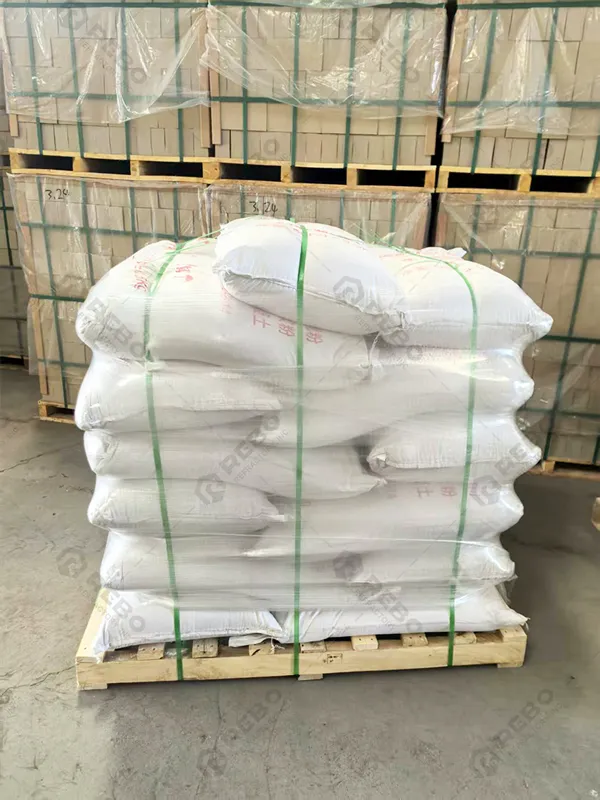
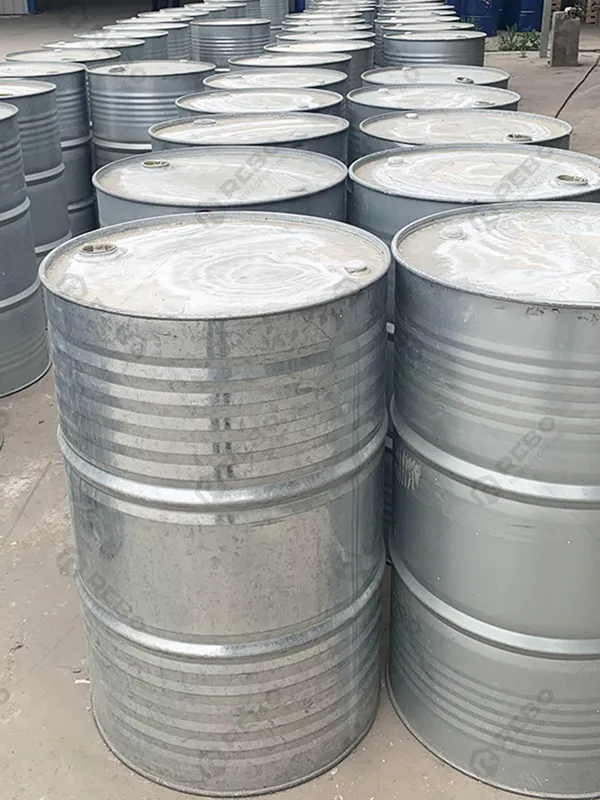
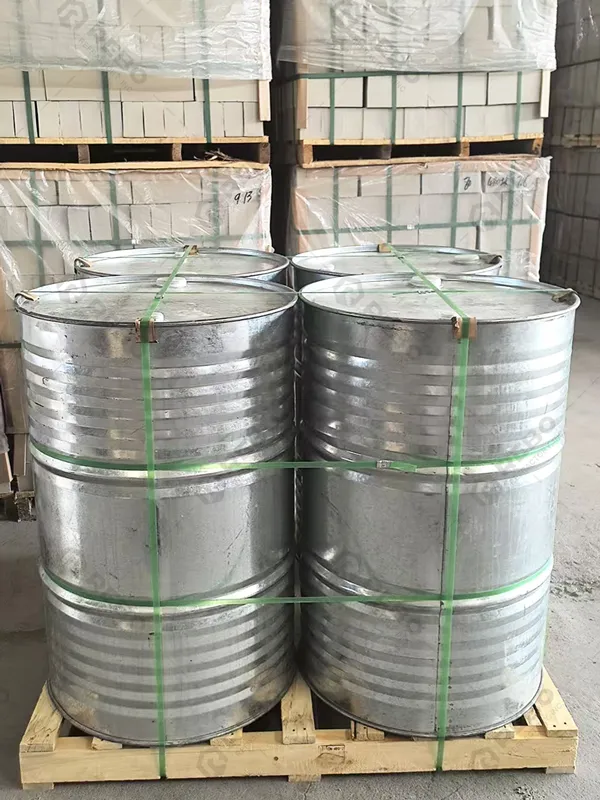
Acid Resistant Mortar Powder and Liquid Components
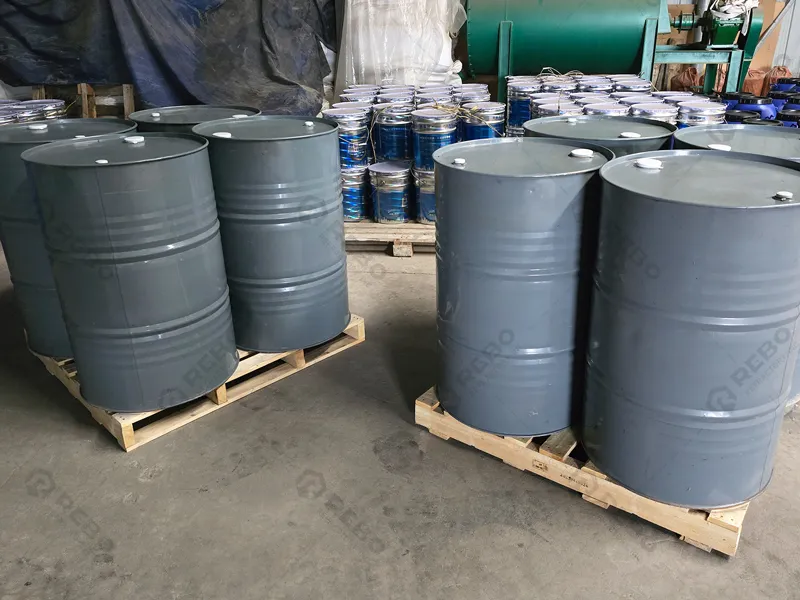
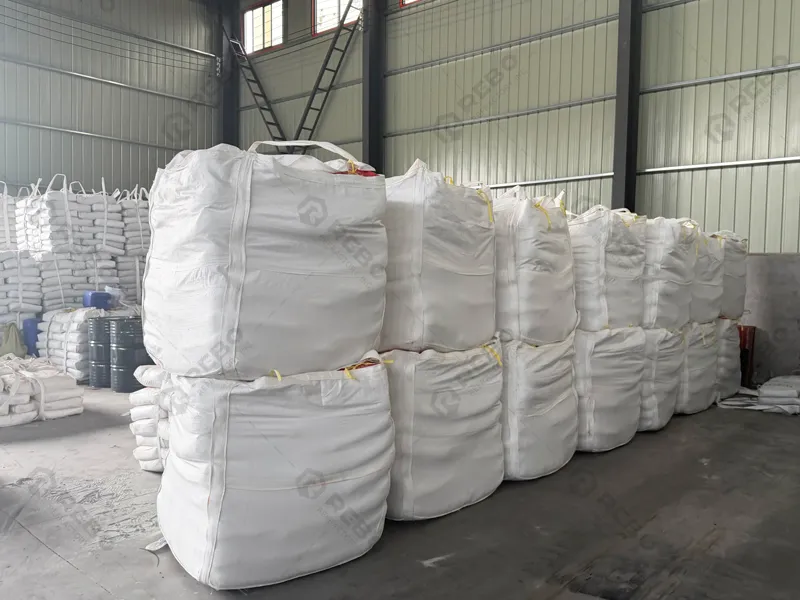
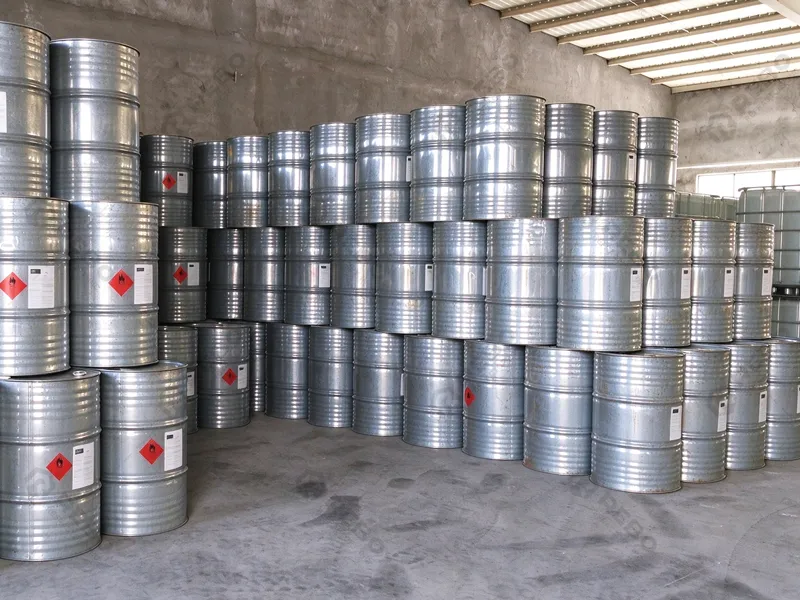
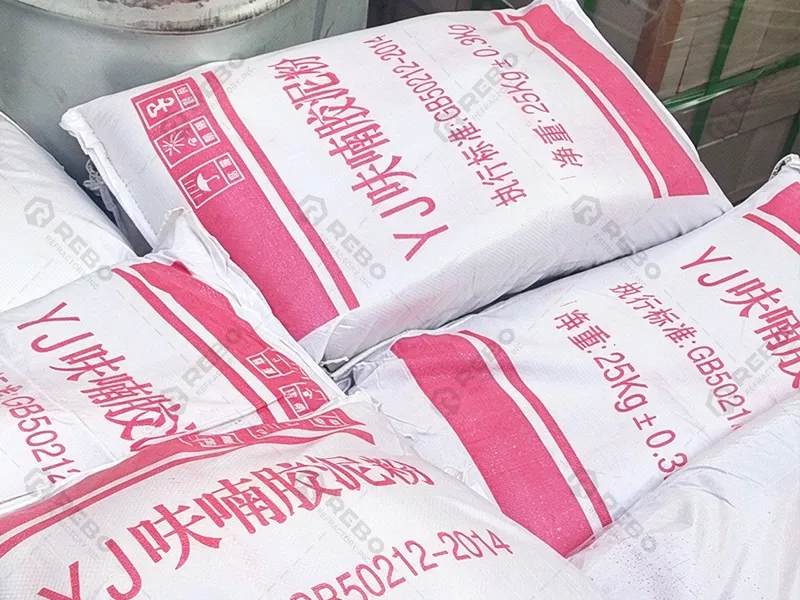
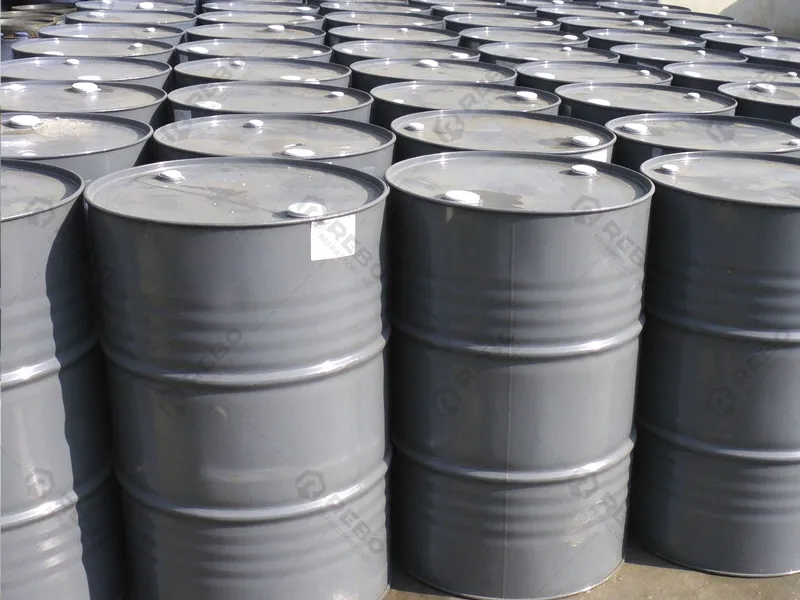
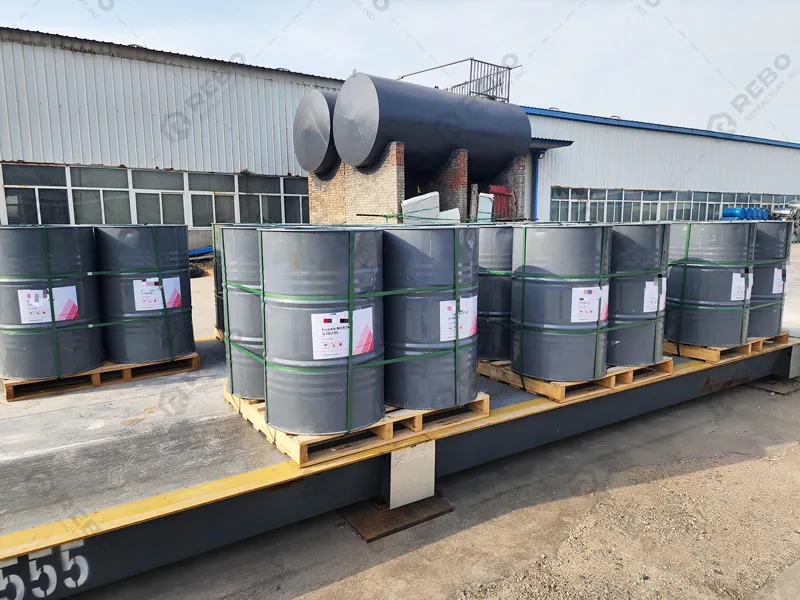
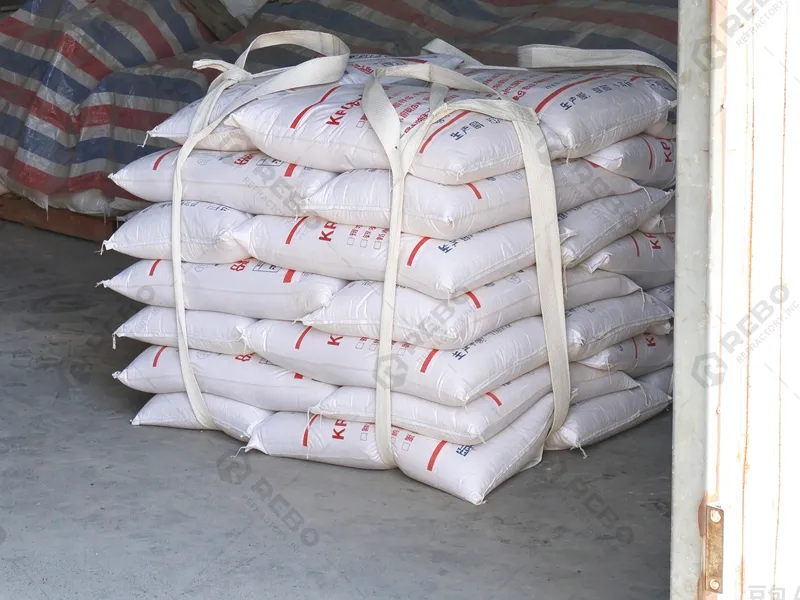
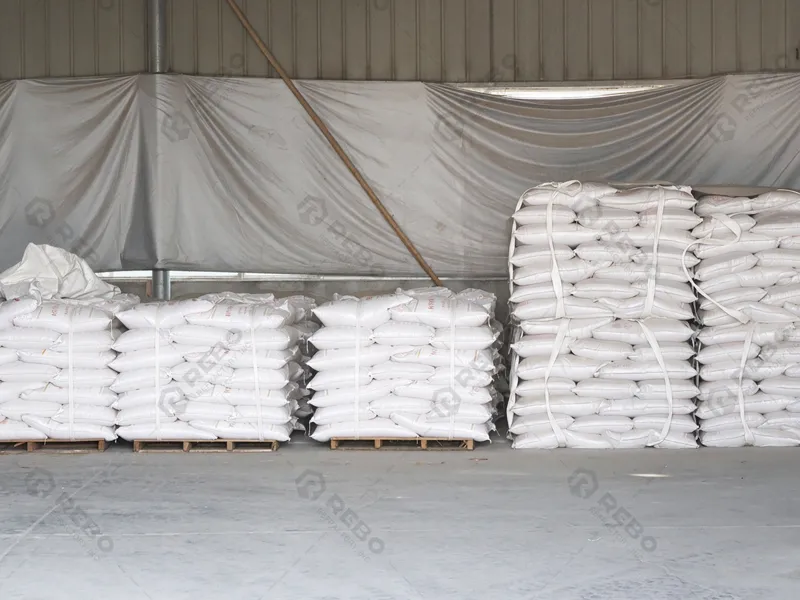
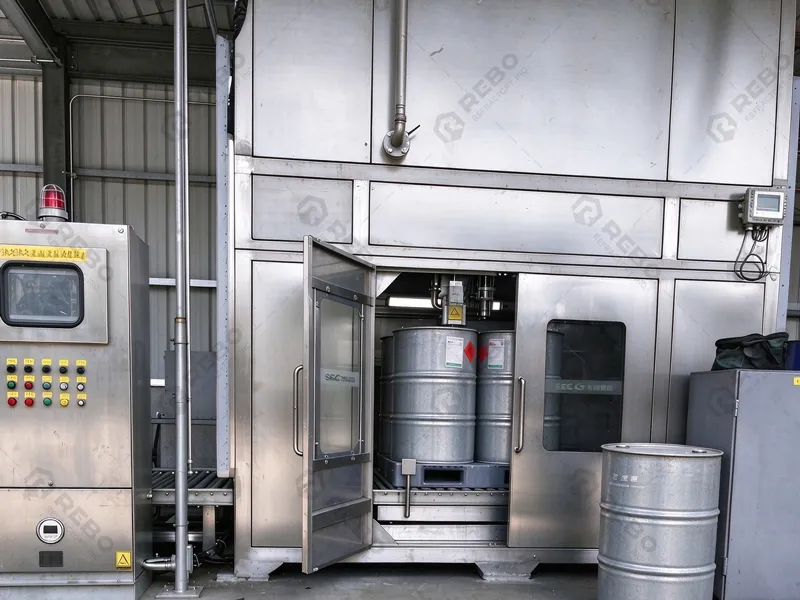
REBO acid proof mortar is supplied in separate powder and liquid components. Each component has a specific role and works together after mixing to form the final bonding mortar. Separate packaging helps maintain formulation stability, mixing accuracy, and consistent performance. The mixing ratio and application method vary by mortar type and service conditions. Contact REBO for the right acid proof mortar for your specific operating conditions.
| Component | Main Function | Package |
|---|---|---|
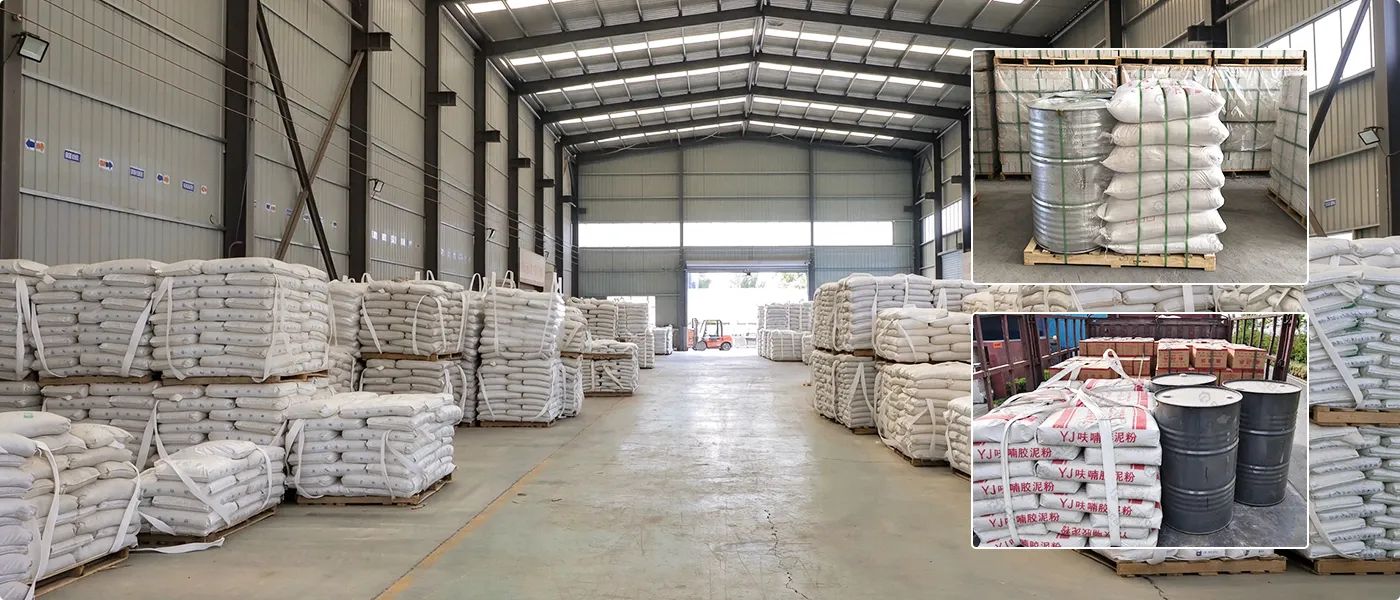
| Powder | Provide mineral fillers and solid materials for body and strength. | 25kg Double-Layer Woven Bag |
| Liquid | Provide the binder or resin phase for bonding and chemical resistance. | 250KG Iron Drum |
| Mixed Mortar | Form the final acid-resistant bonding layer between the substrate and brick or tile. | Mixed at the Construction Site |
Acid Proof Mortar vs Conventional Cement Mortar
Unlike ordinary cement mortar, which is restricted to general masonry and construction, acid-proof mortar is specifically engineered for industrial chemical environments. It delivers superior chemical and acid resistance with minimal penetration, offering the exceptional bonding capabilities required for brick and tile lining systems where conventional cement would quickly fail.
| Feature | Acid Proof Mortar | Ordinary Cement Mortar |
|---|---|---|
| Acid Resistance | Designed for corrosive media | Limited |
| Chemical Resistance | High for suitable media | Limited |
| Water/Chemical Penetration | Lower for suitable systems | Higher |
| Bonding to Acid Resistant Linings | Designed for lining systems | General construction |
| Industrial Chemical Applications | Yes | Generally unsuitable |
| Lining System Use | Brick+Tile+Mortar | General masonry |
How to Choose the Right Acid Proof Resistant Cement Mortar
To ensure the long-term reliability of your anti-corrosion system, selecting the correct REBO chemical resistant mortar requires precise operational data. When consulting with our engineering team, please provide your specific chemical media, concentration levels, operating temperatures, lining materials (such as acid resistant bricks or acid resistant carbon bricks), application areas (tanks, floors, or channels), and exposure conditions like immersion or thermal cycling. Sharing these exact parameters allows us to formulate or recommend the ideal mortar solution tailored precisely to your industrial environment.
| Selection Factor | What to Provide | Why It Matters |
|---|---|---|
| Chemical Media | H₂SO₄, HCl, H₃PO₄, HF, organic acids, alkalis | Determines chemical compatibility |
| Concentration | e.g. 20%, 50%, 98% | Higher concentrations may require different mortar formulations |
| Operating Temperature | e.g. 60°C, 100°C, 150°C | Determines the suitable temperature range |
| Lining Material | Acid Resistant Brick, Acid Proof Tile, Anti-Corrosion Carbon Brick | Affects bonding and system compatibility |
| Application Area | Tank, Floor, Channel, Scrubber, Pipe | Determines bonding, mechanical, and installation requirements |
| Operating Conditions | Immersion, Splash, Continuous Contact, Thermal Cycling | Affects chemical exposure and long-term performance |
REBO Chemical Resistant Mortar Applications in Global Industries
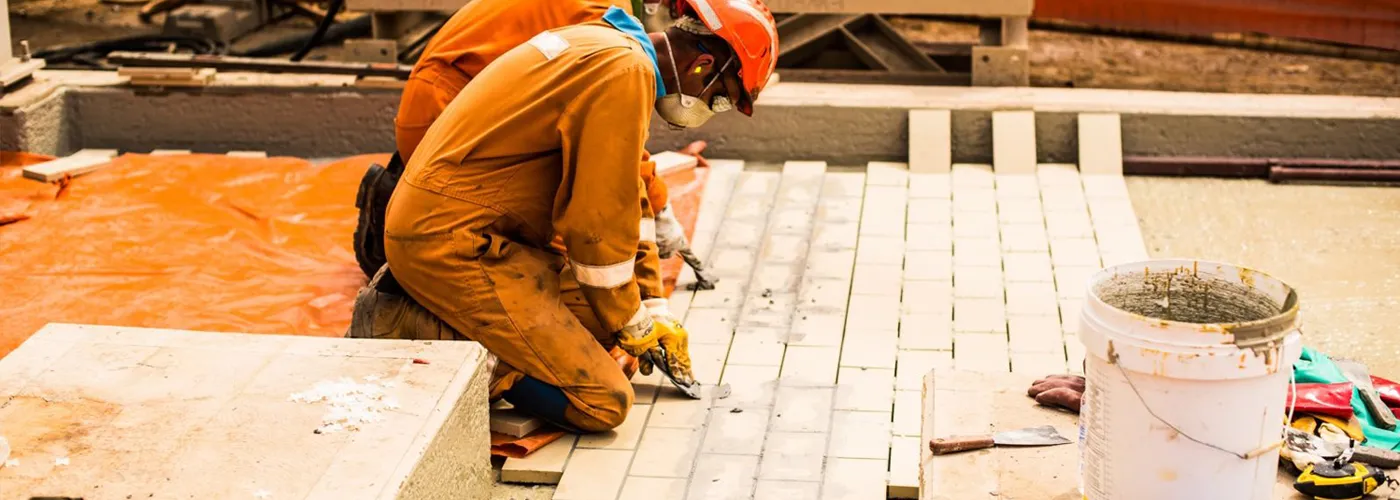
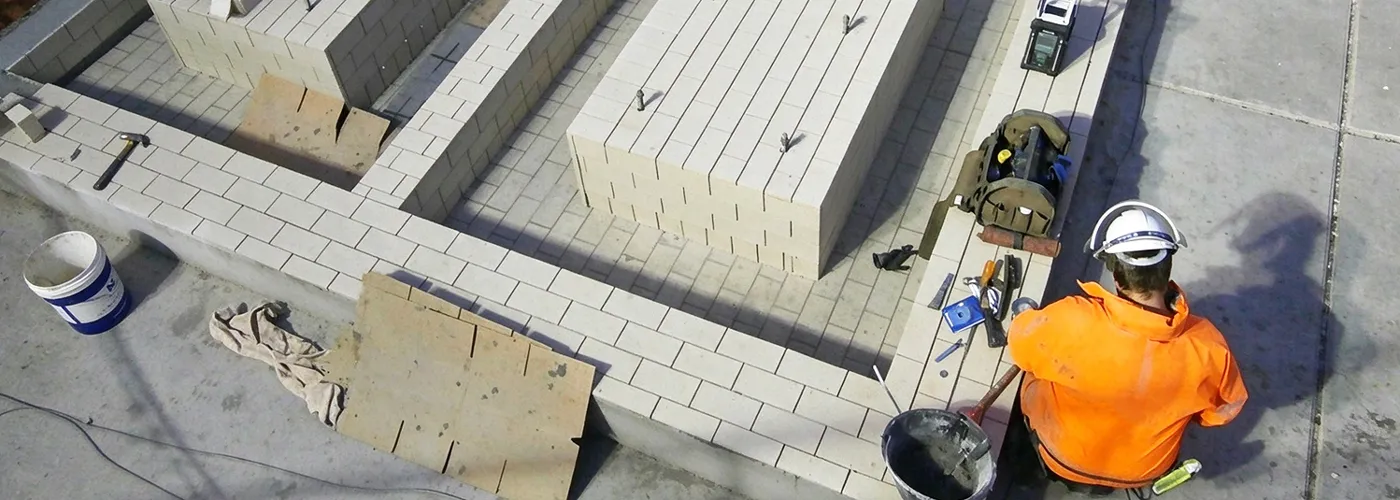
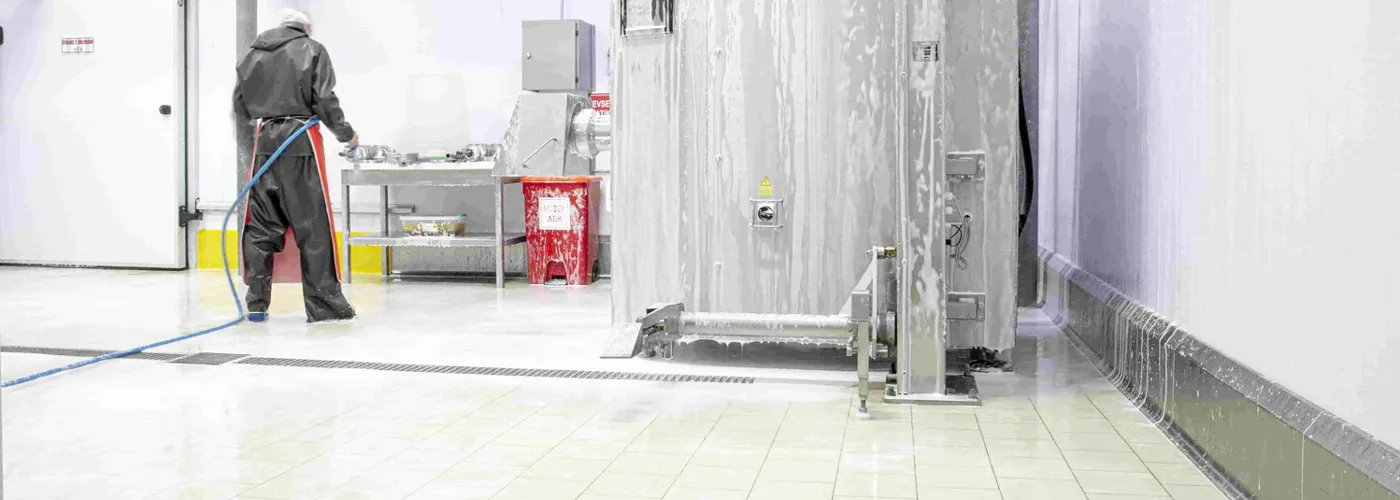
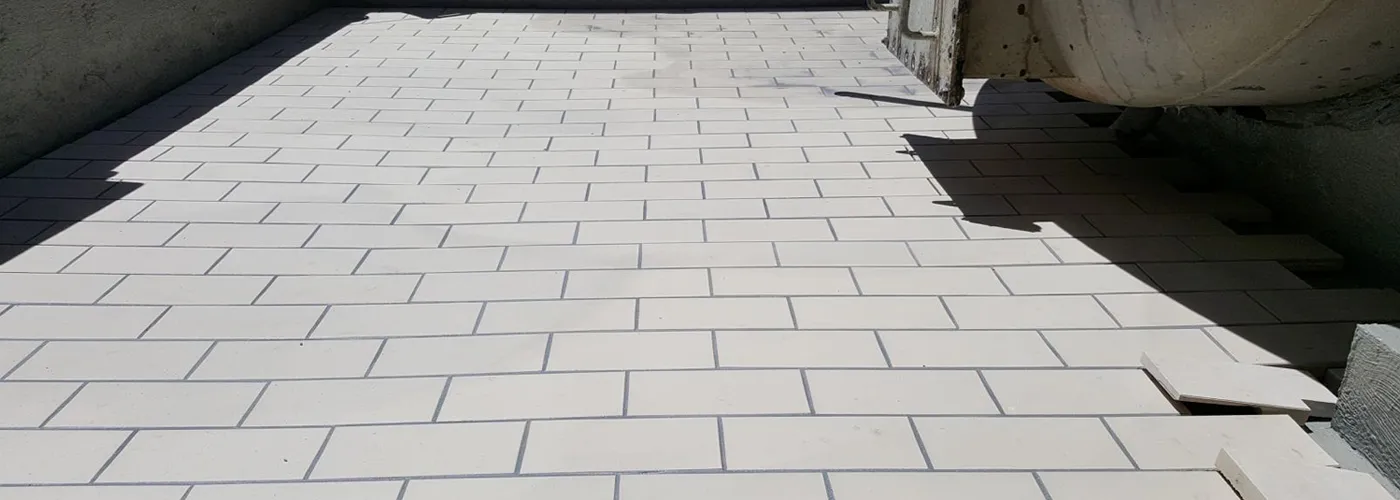
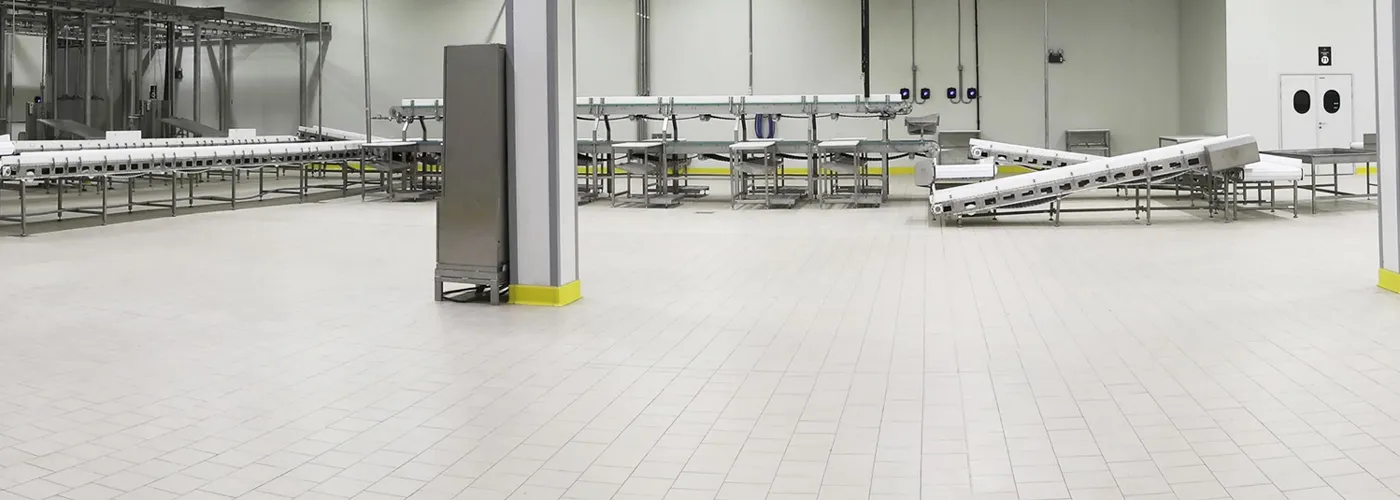
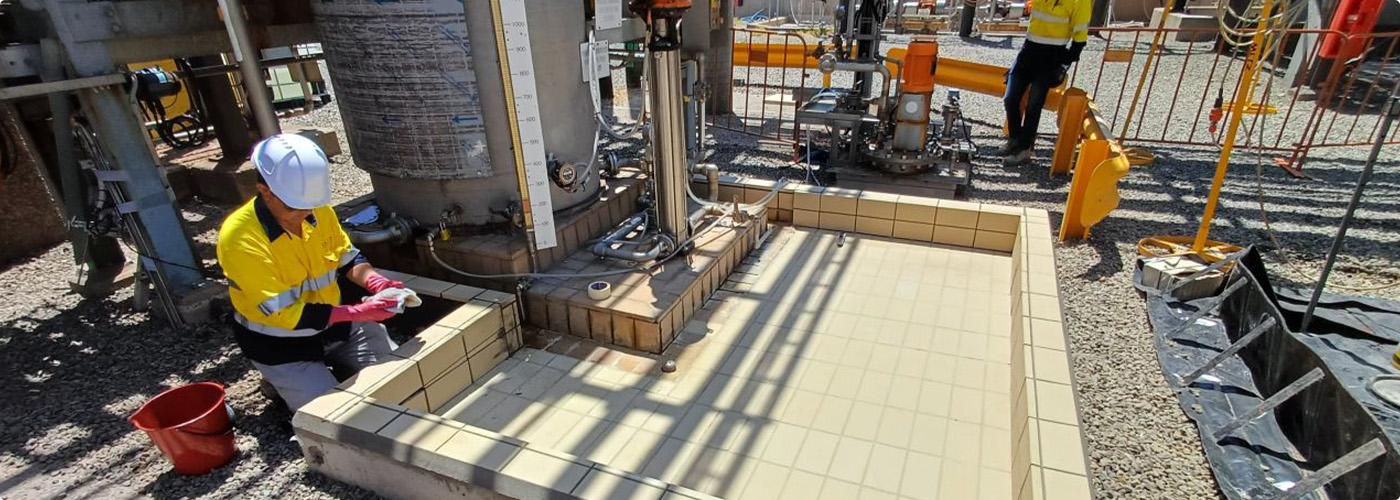
Proven in the most demanding environments around the globe, REBO Chemical Resistant Mortar is the trusted choice for heavy industries requiring uncompromising corrosion protection. From chemical manufacturing plants to mining, refining, and power generation facilities, our specialized acid-proof mortar systems deliver exceptional bonding strength and long-lasting resistance to harsh corrosive media. The installations showcased below reflect our successful partnerships with international clients, demonstrating how REBO protects critical infrastructure, minimizes maintenance downtime, and ensures operational reliability across global industrial projects.
Acid Proof Mortar for Different Industries
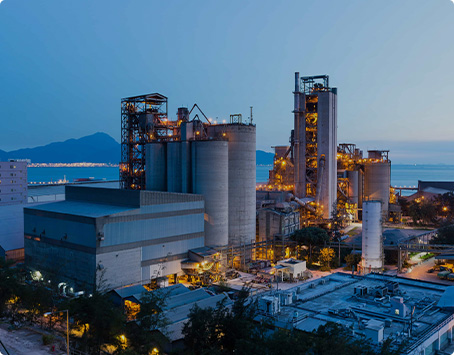
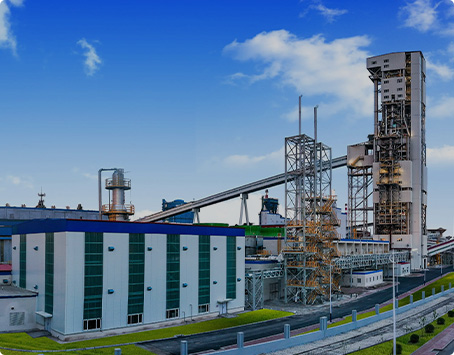
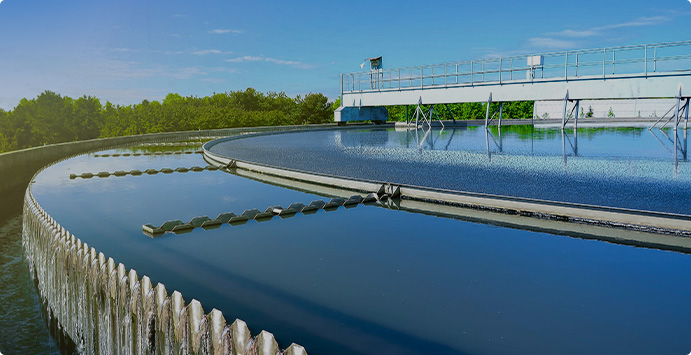
Across diverse sectors, including chemical, fertilizer, metallurgy, and petrochemical industries Furan and KP1 chemical-resistant mortars provide targeted protection for critical process areas, tanks, floors, and wastewater systems exposed to strong acids, corrosive slurries, and aggressive chemicals.
| Industry | Typical Areas | Main Exposure | Recommended Mortar |
|---|---|---|---|
| Chemical Industry | Tanks, floors, process areas, channels | Strong acids, chemicals, moisture | Furan/KP1 |
| Fertilizer Industry | Acid tanks, floors, channels, process areas | Sulfuric acid, phosphoric acid, acidic solutions | Furan/KP1 |
| Phosphate Industry | Process tanks, channels, floors | Phosphoric acid, acidic slurry, moisture | Furan/KP1 |
| Power Industry | FGD systems, wastewater areas, chemical handling areas | Acidic slurry, condensate, chemical solutions | Furan |
| Metallurgy | Pickling lines, treatment tanks, floors | Strong acids, acidic solutions, thermal cycling | Furan |
| Battery Industry | Chemical processing areas, floors, tanks | Acids, chemicals, moisture | Furan/KP1 |
| Mining & Minerals | Leaching areas, process tanks, channels | Acidic slurry, process chemicals, abrasion | Furan/KP1 |
| Petrochemical Industry | Chemical containment areas, tanks, floors | Chemicals, acids, hydrocarbons, moisture | Furan |

Complete Acid Resistant Lining System
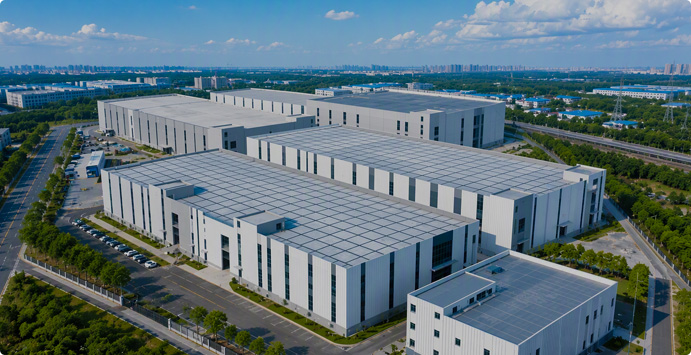
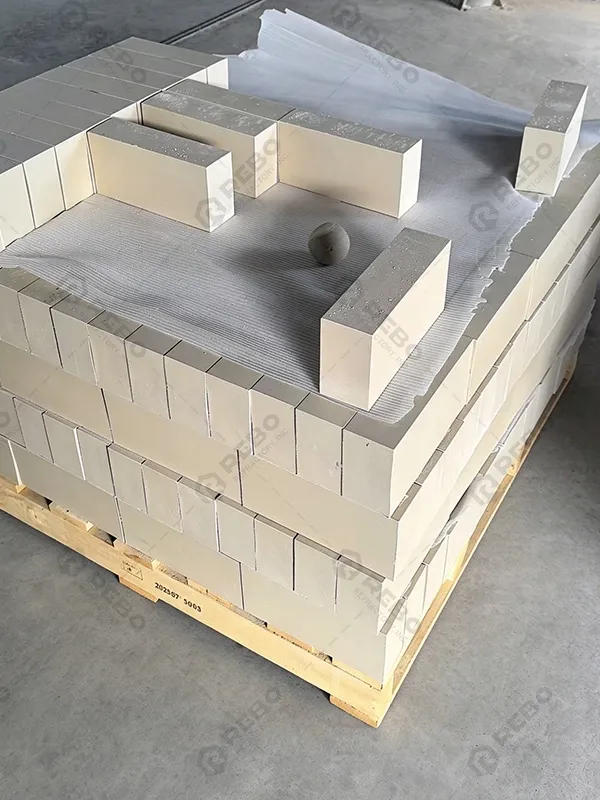
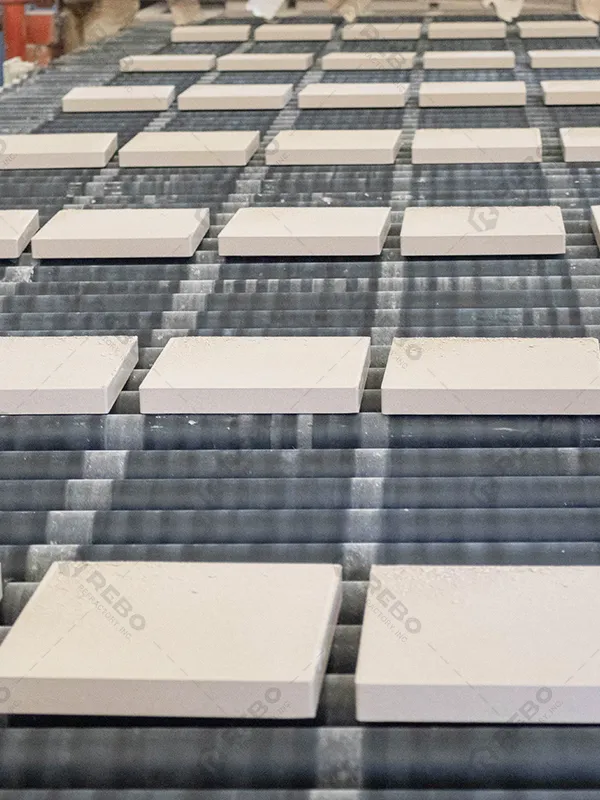
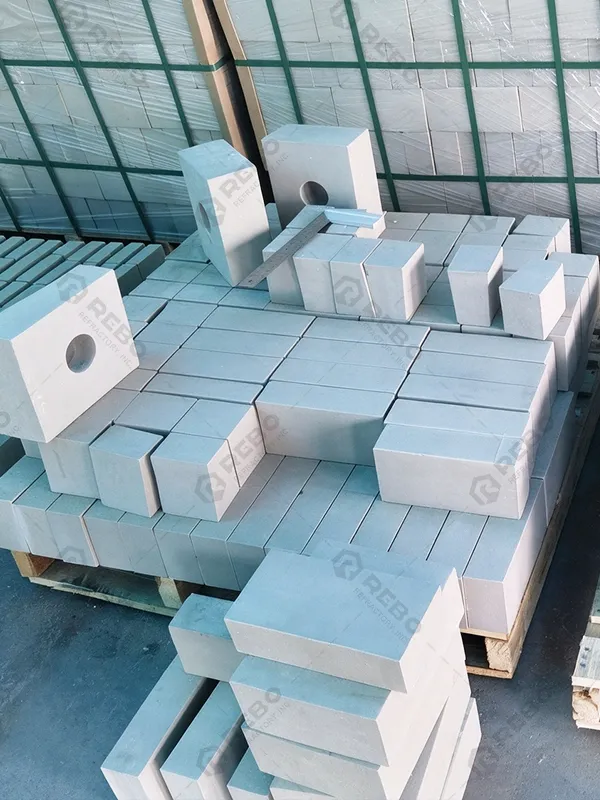
REBO provides more than acid proof mortar. We supply a complete acid resistant lining system with Acid Resistant Brick, Acid Proof Tile, Anti-Corrosion Carbon Brick, and compatible mortars. From lining material selection to product matching, technical guidance, and project support, REBO helps ensure that the complete lining system works together for reliable long-term protection.
Why Choose REBO Acid Proof Mortar?