

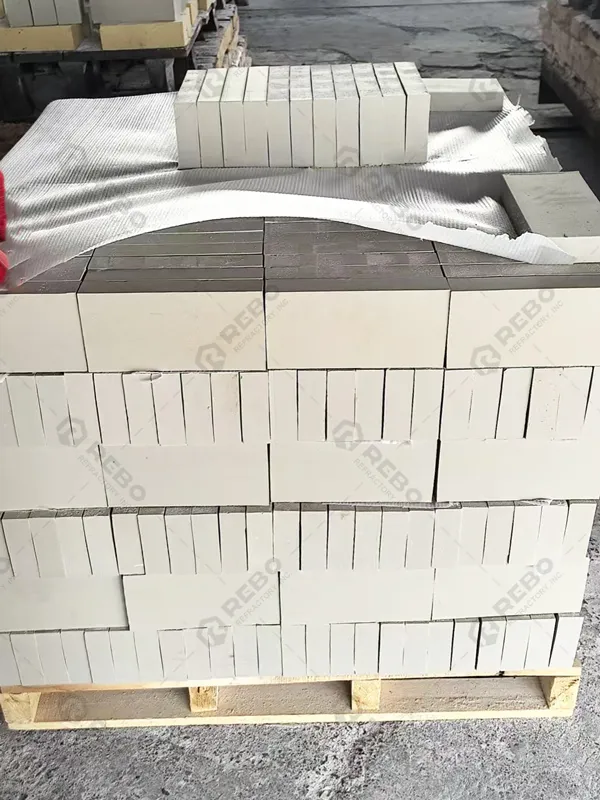
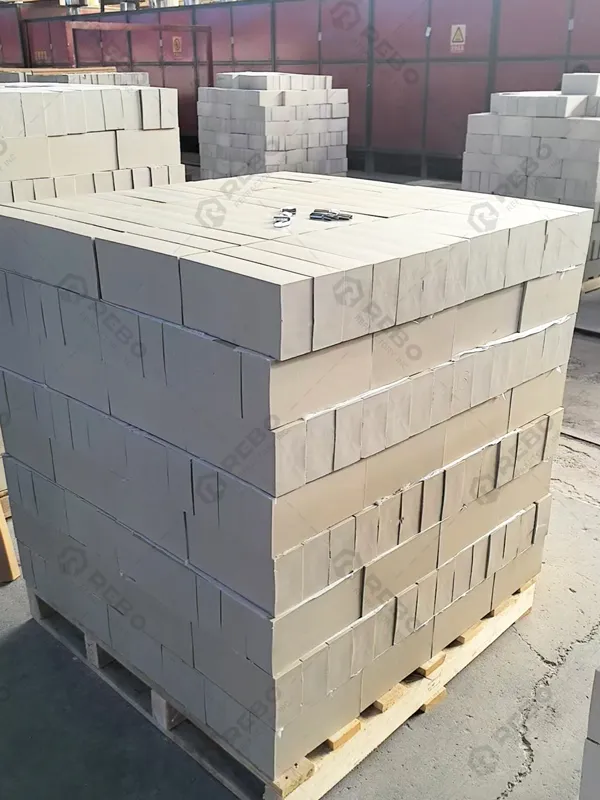
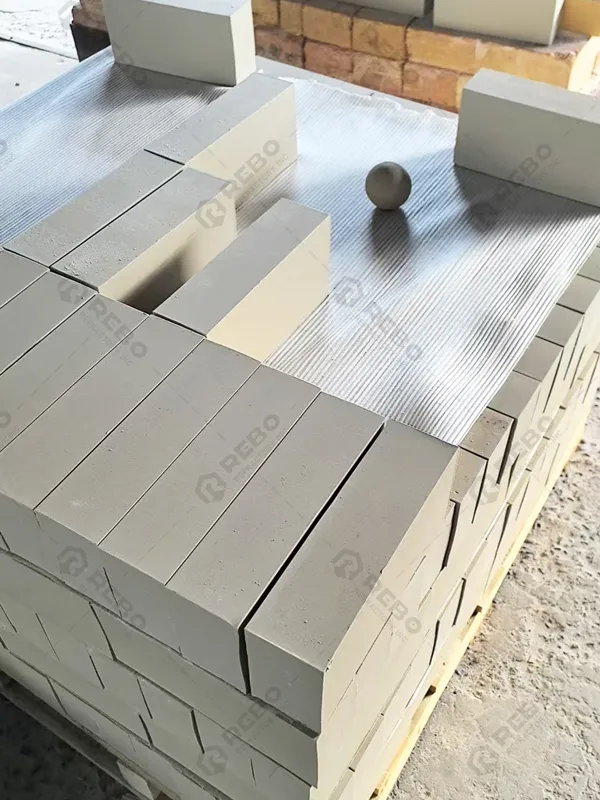
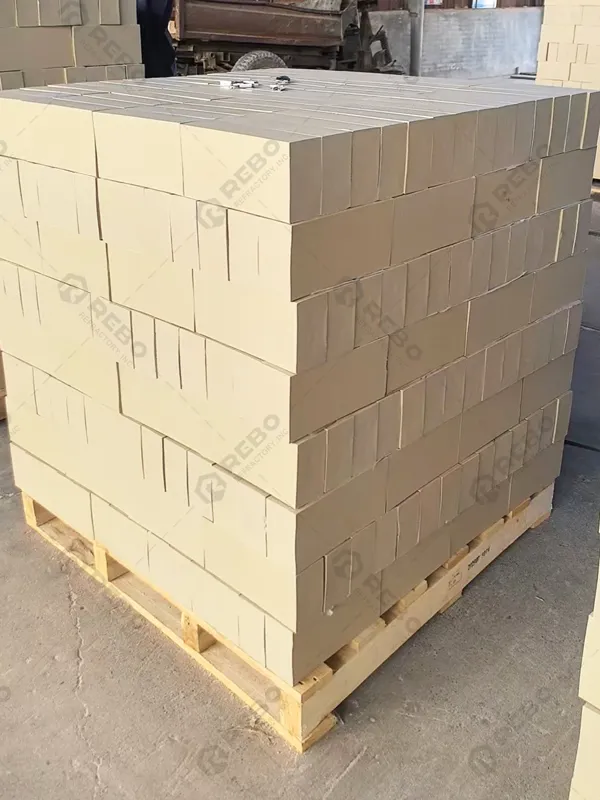
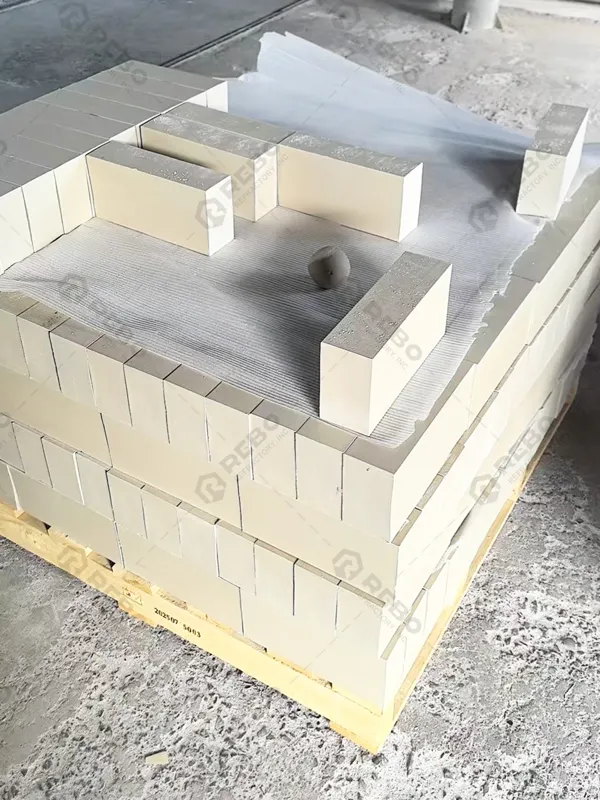
In July 2026, REBO shipped another batch of standard straight acid proof bricks to a returning customer in Colombia for an aluminum sulfate production reactor. When an aluminum sulfate reactor operates under acidic conditions, the lining is more than a protective layer. It is a barrier between corrosive process media and the underlying structure. The repeat order highlights an important consideration for chemical plant operators: lining materials must be selected for actual process conditions, not simply by product name or initial purchase price.
What Can Go Wrong Inside an Aluminum Sulfate Reactor?
The main concern is not just whether a brick can resist acid. It is whether the complete acid lining system can protect the substrate throughout the operating cycle. For plant operators, the key question is therefore not simply, “Which acid proof brick should we buy?” It is, “How do we select a lining system that matches our reactor conditions and reduces avoidable maintenance risks?”
<
Why Standard Straight Acid Proof Bricks Matter
For the Colombian shipment, REBO supplied standard straight acid proof bricks for the reactor lining. Their value lies in providing a uniform brick format for a properly designed lining system. However, brick selection is only one part of the decision. Mortar compatibility, joint thickness, curing conditions, operating temperature, and the actual chemical environment all influence lining performance.
Standard straight bricks support orderly installation across suitable flat or regularly shaped surfaces.
Consistent brick geometry helps installers maintain a more uniform joint arrangement when dimensions and installation tolerances are properly controlled.
When the bricks, mortar, and substrate preparation are correctly matched to the process, the lining helps protect the underlying structure from corrosive media.
Standard formats can simplify layout and replacement planning where the lining design permits their use.
The Costly Mistake: Selecting a Lining by Acid Resistance Alone
Two reactors may both be used in aluminum sulfate production, yet their lining requirements can differ. A material that performs well under one set of conditions should not automatically be specified for another. Before selecting acid proof bricks, plant operators should evaluate the complete exposure conditions and confirm that the proposed brick-and-mortar system is suitable for the application. The relevant conditions may include:
- The actual process chemicals and their concentrations;
- Operating and cleaning temperatures;
- Continuous immersion, intermittent contact, or splashing;
- Thermal cycling and mechanical loading;
- Existing substrate condition and the proposed mortar system.
A Practical Starting Point for Your Industrial Project
In July 2025, REBO supplied another batch of standard straight acid proof bricks to a Colombian customer for aluminum sulfate production equipment. For buyers evaluating a new lining or planning a replacement project, the useful starting point is not a generic product recommendation. It is a clear understanding of the operating environment, lining dimensions, and required chemical resistance. If you are planning a lining project for an aluminum sulfate reactor, acid storage area, or chemical processing tank? Send REBO the following information to help assess a suitable solution:
- Application: Reactor, tank, floor, trench, or collection pit;
- Process conditions: Chemical name, concentration, and operating temperature;
- Lining requirements: Brick dimensions, lining thickness, and estimated quantity;
- Project stage: New construction, scheduled maintenance, or lining replacement.